
Replacing a boiler or furnace is a big home upgrade—but before installation day arrives, many homeowners hit the same confusing question: Do I need a permit to replace my furnace or boiler?
The short answer is yes, in most cases. And while permits can feel like red tape, they exist to protect your safety, your home, and your investment. This guide breaks down HVAC permit requirements, costs, inspections, and why skipping the permit is riskier than you think.
What Is an HVAC Permit?
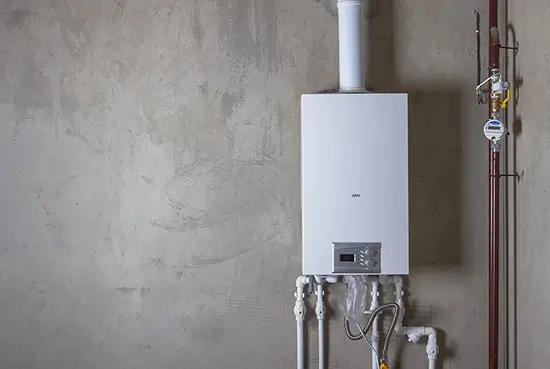
An HVAC permit is an official approval issued by your local building department that authorizes heating or cooling system work. It confirms that your furnace installation, boiler replacement, or HVAC installation meets current building codes, safety standards, and fuel regulations.
Permits are typically required for:
- Furnace replacement or installation
- Boiler replacement
- Fuel changes (oil to gas, gas to electric, etc.)
- New heat pumps or system upgrades
Once the work is complete, a required HVAC inspection ensures that everything was installed correctly and safely.
Do You Need a Permit to Replace a Boiler or Furnace?
Yes—most furnace replacements and boiler replacements require a building permit.
Even if you’re replacing an old system with a similar one, local authorities usually require permits because heating systems involve:
- Combustion gases
- Electrical connections
- Fuel lines (oil, gas, propane)
- Venting and chimney systems
Municipalities treat these systems as safety-critical. A permit ensures your new equipment complies with current codes—not the outdated standards that may have applied decades ago when your old unit was installed.
Why Are Permits Required?
Permits aren’t just paperwork. They serve several important purposes:
Safety
Proper permitting helps prevent:
- Carbon monoxide leaks
- Fire hazards
- Gas or oil line failures
- Electrical overloads
Code Compliance
Building codes change regularly. A permitted HVAC installation ensures your system meets current requirements, not old ones.
Liability & Insurance Protection
Unpermitted work can cause serious problems with:
- Home insurance claims
- Manufacturer warranties
- Home resale or refinancing
What the Permit Process Involves
When you work with a licensed HVAC contractor, the permit process is usually straightforward:
- Permit application submitted to the local building department
- Permit approval before installation begins
- System installation by a licensed HVAC professional
- HVAC inspection (by local government inspector)
- Final approval (by local building department/code enforcement office), closing out the permit
Most permits are approved within a few days, and the entire process typically takes from 1-3 weeks.
Types of HVAC Inspections
Most furnace and boiler replacements involve a final inspection, though some projects may also require a rough inspection.
A rough inspection occurs before the job is fully completed, while key components like fuel lines, venting, or wiring are still visible. This allows inspectors to verify that critical safety elements are installed correctly before they’re enclosed.
A final inspection takes place after installation is complete and confirms the system operates safely, meets code, and matches the approved permit.
During a final inspection, inspectors typically check:
- Proper equipment sizing
- Safe venting and exhaust
- Electrical connections
- Fuel line integrity
- Combustion air supply
Fuel-Specific Considerations
- Gas systems: Gas piping, shutoff valves, CO protection
- Oil systems: Tank connections, oil lines, burner setup
- Electric systems: Circuit sizing, disconnects, grounding
If you’re replacing an old oil tank, see our guide to safe heating oil tank removal.
How Much Does a Permit Cost?
Building permit cost for furnace or boiler replacement typically ranges from $75 to $200+, depending on:
- Your town or city
- Type of equipment
- Fuel source
- Scope of work
In most cases, permit fees are included in your total installation cost when working with a professional HVAC contractor.
Who Pulls the Permit?
In almost all cases, your licensed HVAC contractor pulls the permit, not the homeowner.
This is important because:
- Many towns only allow licensed contractors to apply
- Contractors understand local HVAC license requirements
- DIY or unlicensed work often leads to delays, failed inspections, or fines
Please note that in many municipalities, homeowners are not legally allowed to pull HVAC permits for boiler or furnace replacement at all. Even where homeowner permits are technically allowed, unlicensed DIY installations often fail inspection or require costly corrections to meet code.
State & Local Permit Variations
Permit requirements vary by state and municipality, but the Northeast generally has strict enforcement.
Here is some info about state requirements in HOP Energy’s service area:
- Massachusetts: Strict licensing and comprehensive permits required for all replacements
- New York: Requirements vary by region; NYC has particularly stringent processes
- Connecticut: Statewide permit requirements; strict CO detector enforcement
- New Jersey: Requires both heating and electrical permits for HVAC work
- Pennsylvania: Requirements vary by municipality; check with your township
- Delaware, Rhode Island, Vermont: Permit requirements exist but vary by municipality
Some areas also require additional approvals for:
- Oil-to-gas conversions
- Heat pump installations
- Energy-efficiency upgrades tied to rebates or tax credits
HOP Energy technicians across our service locations understand local permit rules in your town.
What Happens If You Skip the Permit?
Skipping permits can create serious long-term problems:
- Failed home inspections during resale
- Insurance claim denials
- Municipal fines or stop-work orders
- Voided manufacturer warranties
- Unsafe system operation
In many cases, permits are also required to qualify for rebates or a heat pump tax credit, especially for energy-efficient upgrades.
In worst-case scenarios, homeowners may even be forced to remove or redo unpermitted work.
The bottom line? The risks of skipping the permit far outweigh the $100-200 permit cost.
Exceptions & Special Cases
Some limited situations may not require permits:
- Minor component repairs (thermostats, blowers)
- Emergency replacements (permit filed retroactively)
- True “in-kind” replacements in certain towns
However, these exceptions are local, and risky to assume. Always verify before starting work.
How HOP Energy Handles Permits
When you choose HOP Energy as your contractor, we handle the entire HVAC permit process for you.
That includes:
- Confirming local permit requirements
- Pulling the correct building permit
- Coordinating inspections
- Ensuring your furnace or boiler installation meets all codes
The permit is included in the cost of our installation services, so you get peace of mind knowing your system is safe, legal, and protected.
Frequently Asked Questions
How long does it take to get an HVAC permit?
Typically 1-3 weeks from application to final inspection approval. Simple replacements may be faster.
Do I need a permit to replace my furnace if it’s the same model?
Often yes. Even in-kind furnace replacements usually require a permit.
How much does a building permit cost?
Most residential furnace or boiler permits cost $75-$200, included in your contractor’s quote.
Can installation start before the permit is approved?
In most areas, no. Work typically must wait until approval is granted.
Does a permit delay furnace replacement?
Usually only by a few days—licensed contractors minimize delays.
Are permits required for heat pumps?
Yes, and they may also be necessary to qualify for rebates or a heat pump tax credit.
Do I need a permit for emergency replacement?
Yes. Some areas allow temporary repairs with permits obtained within 24-72 hours, but licensed contractors must still do the work.
Does my contractor automatically get permits?
Reputable contractors include permits in their service. Always confirm this in your contract. If a contractor suggests skipping permits, don’t hire them.
Thinking About Replacing Your Boiler or Furnace?
HOP Energy makes heating upgrades simple—from permits and inspections to professional installation.
Contact us about your furnace replacement or boiler replacement project—we’ll handle all the details, including permits.