
When it comes to installing a new heating system in their homes, many homeowners find themselves comparing heat pumps and furnaces. To help you make the right choice for your home, let’s first define these popular heating systems and explore which option makes the most sense for your Northeast home.
What is a Heat Pump?
A heat pump serves as both an air conditioner during hot weather and a heater during cold weather.
Essentially, a heat pump works by constantly moving warm air from one place to another. In winter, it extracts heat from the air or ground and transfers it inside your home. In summer, it removes hot air from inside your home, resulting in a cooler indoor environment.
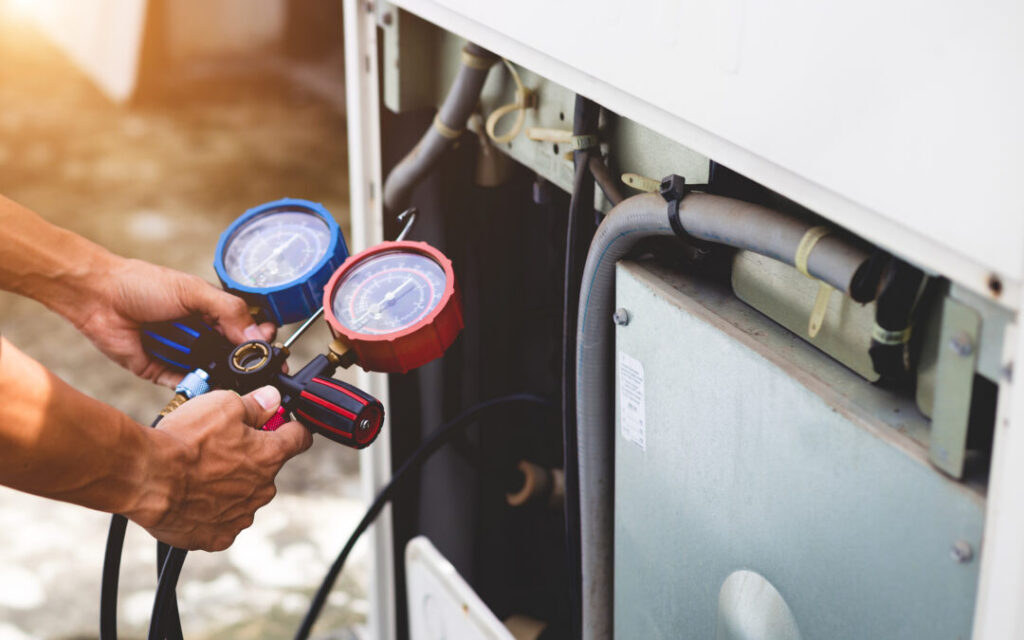
There are two main types of heat pumps: air source heat pumps that use outdoor air, and geothermal (ground source) heat pumps that collect heat from the earth. There are also both ductless heat pumps (“mini splits”) that can be controlled on a room-by-room basis, and central heat pumps that can use your home’s existing ductwork.
How Does a Furnace Work?
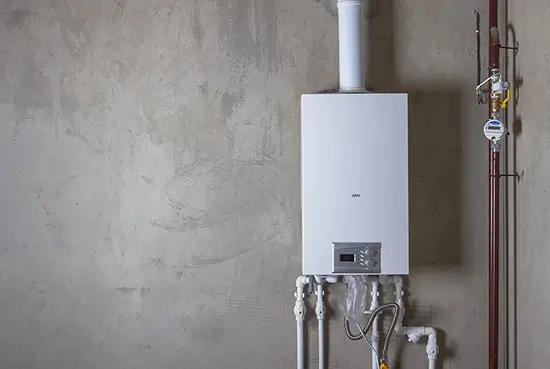
A furnace generates its own heat. When indoor temperatures drop, the furnace receives a signal and sends fuel to the burners inside a combustion chamber. A pilot light ignites the burners, which heat the heat exchanger. A blower fan then circulates the hot air throughout the home.
Furnaces can run on several fuel types, including natural gas, heating oil, propane, or electricity. Each fuel source has different costs and availability depending on your location.
Electric furnaces don’t produce any combustion byproducts, so they don’t require venting or chimneys. However, they’re typically the most expensive heating option to operate in cold climates due to high electricity costs.
Heat Pump vs. Furnace: Pros and Cons
Now that you understand how these systems generate heat, let’s compare their strengths and weaknesses side by side.
| Feature | Heat Pump | Furnace |
|---|---|---|
| Heating Method | Transfers heat from outside air or ground | Burns fuel or uses electric resistance to generate heat |
| Cooling Capability | Provides both heating and cooling | Heating only (requires separate AC) |
| Energy Efficiency | Can transfer 300% more energy than consumed | 80–98% efficiency depending on fuel type |
| Cold Weather Performance | Less efficient below 32°F; may need backup heat | Excellent performance in extreme cold |
| Installation Cost | Higher upfront ($4,000–$8,000+) | Lower upfront ($2,500–$6,000+) |
| Operating Cost | Lower in moderate climates | Varies by fuel; often competitive in cold climates |
| Lifespan | Around 15 years typical | Over 20 years with proper maintenance |
| Maintenance Needs | More mechanical parts; requires regular service | Fewer parts; straightforward maintenance |
| Air Quality | Circulates naturally humid air | May require whole-house humidifier |
| Environmental Impact | No on-site emissions | Burns fossil fuels (except electric models) |
Boilers are yet another option home heating. If you want to know how boilers compare to furnaces, read our blog post on boilers vs. furnaces.
Energy Efficiency
Heat pumps are renowned for their energy efficiency, as they can transfer 300 percent more energy than they consume. However, comparing the efficiency of a heat pump to that of an oil furnace is more complex in colder climates. Most sources suggest that furnaces perform better in terms of heating efficiency, particularly in colder regions like the Northeast.
As outdoor temperatures drop, heat pumps must work harder to extract heat from cold air, which reduces their efficiency and increases operating costs. In contrast, furnaces maintain consistent efficiency regardless of outdoor temperature.
Comfort
While both heating systems produce heat for your home, the air from a heat pump isn’t as hot as the air from a furnace. However, heat pumps circulate naturally humid air, which may reduce the need for a whole-house humidifier. Additionally, both systems can accommodate air cleaners to improve indoor air quality.
Heat pumps also provide the advantage of year-round comfort since they cool your home in summer and heat it in winter, eliminating the need for separate systems.
Lifespan and Maintenance
Furnaces, with proper maintenance, can last over 20 years, whereas the lifespan of a heat pump is typically around 15 years. Furnaces also have fewer mechanical parts than heat pumps, resulting in fewer potential malfunctions.
However, heat pumps work year-round for both heating and cooling, which means they experience more wear than furnaces that only operate during heating season. Regular professional maintenance is essential for both systems to maximize their lifespan.
Cost Comparison: Installation and Operating Expenses
Installation Costs
Heat pumps typically cost more upfront, ranging from $4,000 to $8,000 or more for air source models. Ground source (geothermal) systems can reach $10,000 to $30,000 due to the excavation and underground loop installation required.
Furnace installation typically costs significantly less, ranging from $2,500 to $6,000 depending on fuel type and efficiency rating. However, remember that furnaces only provide heating. If you need cooling, you’ll need to purchase a separate air conditioning system, adding $3,000 to $7,000 to your total HVAC investment.
Operating Costs
Operating costs depend heavily on local fuel prices, electricity rates, and your climate. In moderate weather above 32°F, heat pumps often cost less to run due to their high efficiency. In cold weather typical of Northeast winters, furnaces burning oil, natural gas, or propane may become more economical.
Many homeowners choose dual-fuel systems that pair a heat pump with a furnace. The system automatically selects the most efficient heating source based on outdoor temperature, maximizing comfort and minimizing costs year-round.
Heat Pump vs. Oil Furnace
This comparison is particularly relevant in the Northeast, where oil heat remains common and widely available.
Energy Efficiency: Heat pumps can be 2-4 times more efficient than oil furnaces in moderate weather. However, oil provides consistent BTU output and maintains efficiency regardless of outdoor temperature, while heat pump efficiency drops as temperatures fall.
Operating Costs: Home heating oil prices fluctuate with global markets, but per-BTU costs often remain competitive with electricity, especially during cold weather when heat pump efficiency decreases.
Reliability: Oil furnaces are known for durability and consistent performance in extreme cold. Heat pumps may struggle or require backup heating below 20°F.
Availability: For rural Northeast homes without natural gas access, oil delivery infrastructure is well-established through providers like HOP Energy, making oil furnaces a practical choice.
Heat Pump vs. Electric Furnace
Both systems run on electricity, but they work very differently.
Efficiency: Heat pumps dramatically outperform electric furnaces. A heat pump moves heat rather than generating it, transferring 2-3 times more energy than it consumes. Electric furnaces convert electricity directly to heat at a 1:1 ratio, making them the most expensive heating option in most climates.
Operating Costs: Heat pumps cost significantly less to operate than electric furnaces in nearly all scenarios. Even when heat pump efficiency drops in extreme cold, it typically still outperforms electric resistance heating.
Best Use Case: Electric furnaces make sense primarily as backup heat for heat pump systems, or in very mild climates where heating needs are minimal. For primary heating in cold climates, they’re generally not cost-effective.
Choosing the Right Heating System for You
While reputable sources may suggest using a heat pump as the main heating and cooling source to lower energy costs and reduce greenhouse gas emissions, it’s important to consider your unique situation.
A heat pump may be suitable if you:
- Need to replace both your heating unit and air conditioner
- Live in an area with low electric rates and a moderate climate
- Want to reduce your carbon footprint
- Are prepared for potentially higher installation costs
The technology surrounding heat pumps is continually improving, making air source heat pumps more effective in colder temperatures. However, many experts still recommend having a backup heat source when installing this system in Northern states.
An oil or gas furnace may be the right choice if you:
- Live in a cold climate with extended periods below freezing
- Have access to affordable oil, natural gas, or propane
- Already have a separate air conditioning system
- Prioritize consistent heating performance in extreme weather
If you choose a fuel-burning furnace, make sure your home has working carbon monoxide detectors for safety.
Frequently Asked Questions
It depends on your climate. Heat pumps are great for moderate areas and give you heating and cooling in one system. Furnaces work better in harsh winters with long freezing periods. For the Northeast, a dual-fuel system combining both often delivers the best balance.
Performance drops in extreme cold. Below 32°F, heat pumps work harder and use more electricity. Below 20°F, most need backup heat. That makes them less ideal as a standalone system in northern climates.
Cold weather is usually the culprit. Your system works harder when it's freezing, and if auxiliary electric heat kicks in, costs spike. Dirty filters or sizing issues also hurt efficiency. Plus, you're now paying for all heating through your electric bill instead of separate fuel deliveries.
Yes. Heat pumps cool just like air conditioners, and quality systems handle temps over 100°F easily. Many high-efficiency ACs are actually heat pumps without the heating function.
It varies by location. In moderate climates, heat pumps usually cost less to run. In cold Northeast winters, oil, gas, or propane furnaces often win. A dual-fuel system that switches between both based on temperature typically offers the best year-round savings.
It depends on your climate and needs. If you want a combined heating and cooling system and live in a moderate climate, a heat pump can be convenient and efficient. However, heat pumps don't typically provide enough heat for very cold climates.
Learn More About Heat Pumps and Furnaces from HOP Energy
We understand that you have many questions about which heat source is best for you. Instead of further delving into the heat pump versus furnace debate, we encourage you to schedule a free in-home consultation with a HOP Energy technician.
HOP Energy offers a variety of HVAC systems and brands and can answer all your questions regarding gas furnaces, oil-fired furnaces, or heat pump systems. We’ll discuss the pros and cons of each option and determine whether your home is better suited for an indoor or outdoor unit. We’ll also explore which system can help you save money on your monthly energy bills.
In addition, HOP Energy provides heating and cooling system repair and maintenance services and can assist you in improving the air quality in your home. We also offer reliable heating oil delivery throughout the Northeast to keep your oil furnace running efficiently all winter long.
Ready to upgrade your home heating system? Contact us today to get in touch with us before the temperatures start to drop.