Signs It’s Time to Replace or Upgrade Your Heating System 

Recognizing when to replace your heating system is essential for maintaining a comfortable, efficient, and safe home environment. An outdated or failing heating system can lead to higher energy costs, inconsistent heating, and frequent repairs. Knowing the signs of aging equipment and understanding the typical lifespan of your heating system can help you avoid unexpected breakdowns, especially during the colder months when reliable heat is crucial. 

There are several types of heating systems, each with different expected lifespans: 

  • Furnaces (gas, electric, or oil) typically last between 15 and 30 years. 
  • Heat pumps have a shorter lifespan of 10 to 15 years. 
  • Depending on material and usage, boilers can last 15 to 30 years. 
  • Ductless mini-split systems and radiant heating systems generally last 15 to 25 years with proper maintenance. 

Table of Contents

Types of Heating Systems and Their Lifespans

Understanding the different types of heating systems and their expected lifespans can help homeowners plan for maintenance, repairs, or replacements. Each system has unique advantages and lifespan, influenced by usage, climate, and routine maintenance. 

Lifespan of Furnaces (Gas, Electric, Oil)

Furnaces are one of the most common heating systems, typically powered by gas, electricity, or oil. Their lifespan ranges from 15 to 30 years, depending on the type of furnace and how well it’s maintained. Gas furnaces generally last between 15 and 20 years, while oil furnaces last a bit longer, up to 25 years. Electric furnaces, though less common due to higher operational costs, can last up to 30 years but may lose efficiency over time. 

Lifespan of Heat Pumps

Heat pumps are efficient systems that transfer heat instead of generating it, making them suitable for heating and cooling. Their expected lifespan is shorter than that of other systems, typically between 10 and 15 years. Regular maintenance is critical to extending the life of a heat pump, especially in regions with harsh winters, where the system is used frequently. 

Lifespan of Boilers

Boilers, which heat water to produce radiant heat for a home, can last between 15 and 30 years. Their longevity largely depends on the materials used. Due to their durability, cast iron boilers tend to last on the higher end of this range (up to 30 years), while steel boilers may have a shorter lifespan, closer to 15 years. Regular maintenance, such as cleaning and inspecting the pressure levels, can extend the life of a boiler. 

Lifespan of Radiant Heating Systems

Radiant heating systems use water or electricity to heat floors or walls and can last 15 to 25 years. Hydronic (water-based) systems have a longer lifespan than electric systems. However, both require regular maintenance, such as checking for leaks or issues with the heating elements, to ensure they last as long as possible. 

Lifespan of Central Heating Systems

Central heating systems distribute heat throughout a home using a network of ducts or pipes. Their lifespan ranges from 15 to 25 years, depending on the type of fuel they use (gas, oil, or electricity) and how well they are maintained. Gas and oil systems tend to last on the lower end of this range, while electric systems may last longer but often lose efficiency over time. 

Each heating system type has its own maintenance needs and potential for longevity. Keeping up with regular service, filter changes, and inspections can help extend the life of your system and keep it running efficiently for many years. 

Signs It's Time to Replace or Upgrade Your Heating System

Keeping an eye on how your heating system performs can help you avoid costly breakdowns and ensure it operates safely and efficiently. Here are the key signs that it may be time to replace or upgrade your heating system: 

Frequent Repairs

If your system requires frequent repairs, it indicates that it’s nearing the end of its lifecycle. Consistently fixing components adds up quickly in cost, and repeated breakdowns can leave you without heat at inconvenient times. At this point, replacement is often a more economical choice. 

Rising Energy Bills

As heating systems age, they lose efficiency, which leads to higher energy consumption. If your energy bills are rising without a change in your usage habits, your system may need to be working harder than it should, wasting energy and driving up costs. 

Uneven Heating

Older systems can need help to heat all areas of your home evenly. If certain rooms are consistently colder than others, your system may need to be distributing heat effectively. This is often a sign that it’s time to consider an upgrade or replacement. 

Strange Noises or Smells

Unusual noises like banging, rattling, or buzzing indicate something is wrong with internal components. Similarly, strange odors could point to a serious issue, such as gas leaks or burning wires. These problems are not only inconvenient but can also pose significant safety hazards. 

Age of the System

Most heating systems start to lose efficiency after 15 to 20 years, even with regular maintenance. If your system is approaching or surpassing this age, it’s time to plan for a replacement before you encounter larger, more expensive issues. 

Excessive Dust, Rust, or Soot

A malfunctioning heating system can degrade indoor air quality, leading to excessive dust or visible rust and soot around registers. This could signal issues with ventilation or combustion, requiring immediate attention to avoid further damage. 

Frequent On and Off Cycling

If your system frequently turns on and off (short-cycling), it may struggle to maintain a consistent temperature. Short cycling wears down the components and causes inefficient heating, which can drive up energy bills and reduce comfort. 

Cracked Heat Exchanger

A cracked heat exchanger is one of the most dangerous problems with an older heating system. It can lead to carbon monoxide leaks, which are hazardous to your health. Repairing or replacing a cracked heat exchanger is often expensive, making system replacement safer and more cost-effective. 

Additional Indicators You Need to Replace Your Heating System

Beyond the obvious signs of failure, there are additional indicators that your heating system may need to be replaced. These are subtle but important clues that your system is nearing the end of its useful life. 

Increasing Maintenance Costs

If you call for repairs more frequently, it’s a red flag that your heating system is becoming less reliable. Constant service visits can quickly add up, making replacement a more cost-effective solution in the long run. 

Decreased Comfort Levels

A heating system that struggles to maintain your home at the desired temperature shows diminished efficiency. If you notice that your home is never quite warm enough or takes too long to heat up, it may be time for an upgrade. 

Visual Signs of Damage

Take a look at your furnace or heating unit. If you see visible rust, corrosion, or cracks, these are clear signs that the system is deteriorating and may not last much longer. These issues often indicate deeper problems within the system that could affect efficiency and safety. 

Dust and Poor Air Quality

A malfunctioning heating system can lead to poor indoor air quality by circulating more dust, dirt, and allergens throughout your home. If you notice an unusual dust buildup or experience worsening air quality, your system may need to filter the air properly or run as efficiently as it should. 

Pay attention to these additional indicators, as they can help you avoid more significant issues. Replacing your heating system at the right time ensures better comfort, efficiency, and safety in your home. 
Maintenance Tips to Extend Your System's Lifespan

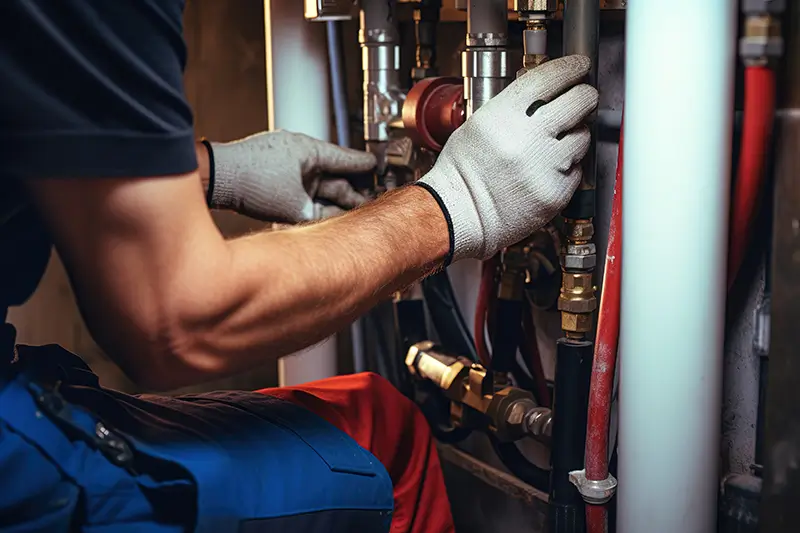
Regular maintenance is key to getting the most out of your heating system and extending its lifespan. Following these simple steps can help you avoid unexpected breakdowns and maintain your system’s efficiency. 

Regular Inspections

Schedule annual inspections with HVAC professionals. They can identify potential problems early, ensuring your system runs efficiently and safely. 

Filter Replacements

Changing filters every 1-3 months is essential to maintaining proper airflow and efficiency. Dirty filters force your system to work harder, increasing energy consumption and wear. 

Duct Cleaning

Clean your air ducts regularly to prevent dust and debris buildup. This can reduce your system’s efficiency and worsen indoor air quality. Keeping ducts clean also helps your system distribute heat more effectively. 

Tune-Ups

An annual tune-up before the winter season ensures that your heating system runs at peak efficiency when you need it most. This proactive maintenance can prevent small issues from becoming costly repairs. 

FAQs

When should a heating system be replaced?

A heating system should be replaced if it’s over 15 years old, frequently breaking down, or losing efficiency. These factors signal that the system is nearing the end of its useful life and could become more costly to maintain. 

At what age should a furnace be replaced?

Furnaces typically need to be replaced between 15 and 20 years of age. After this time, they begin to lose efficiency, and the likelihood of breakdowns increases. 

Should I replace my 20-year-old gas furnace?

Yes, if your 20-year-old gas furnace is showing signs of inefficiency, requiring frequent repairs, or heating unevenly, it’s time to consider replacing it with a more efficient system. 

How many years should a heating system last?

A heating system can last 15 to 30 years, depending on the type, how often it is used, and the quality of maintenance it receives. 

How do you know when you need a new furnace?

If you’re experiencing frequent breakdowns, high energy bills, or inconsistent heating, you may need a new furnace. These issues are key indicators that your furnace is no longer operating efficiently. 

Can furnaces last 30 years?

While some furnaces can last up to 30 years, their efficiency typically decreases significantly after 20 years, making replacement more cost-effective and energy-efficient. 

Is a 40-year-old furnace safe?

No, a 40-year-old furnace is not considered safe. Older systems are more likely to have safety hazards, such as carbon monoxide leaks, and are highly inefficient compared to modern systems. 

Do furnaces get less efficient as they age?

Yes, furnaces naturally lose efficiency as they age. This leads to higher energy bills and reduced heating performance, even if the system is still operational. 

Should you replace a furnace before it breaks?

Yes, replacing a furnace before it breaks is a proactive approach that avoids emergencies, ensures continuous heating, and allows time to choose the most suitable and efficient replacement. 

Is your heating system showing signs of age? Contact HOP Energy today for expert consultations and energy-efficient heat pump installations to keep your home warm all winter. Don’t wait until it breaks—schedule your system upgrade now! 

How to Use a Heat Pump to Supplement Your Whole Home Heating System 

Heat pumps are an excellent solution for enhancing the efficiency and comfort of your home’s heating system. By using ambient air or ground temperatures to heat your home, a heat pump can reduce your reliance on traditional heating methods like furnaces or boilers. Here’s how to effectively integrate a heat pump into your existing heating setup: 

Table of Contents

Understand Your Heating Needs

Before installing a heat pump, assess your home’s heating needs. Heat pumps are most effective when used in moderate climates or as supplemental heating. They can reduce the workload on your existing heating system, lowering fuel usage and energy bills. 

Choose the Right Type of Heat Pump

There are two main types of heat pumps: air-source and ground-source (also known as geothermal). Air-source heat pumps draw heat from the outside air, while ground-source pumps extract heat from the earth. The choice depends on your climate, budget, and property layout. 

Optimize Heat Pump Placement

Proper placement is key to ensuring efficiency. For air-source pumps, place the outdoor unit in a location with good airflow, away from obstructions like shrubs or walls. Ground-source systems require more space for installation but tend to offer greater efficiency in colder climates. 

When to Use a Heat Pump in Addition to Your Existing System

There are several scenarios where using a heat pump alongside your current heating system makes sense: 

In milder winter conditions: Heat pumps are highly efficient at transferring heat from the outside air into your home when outdoor temperatures are above freezing. During these periods, a heat pump can handle most of your heating needs, reducing the load on your primary system. Your furnace or boiler can take over for consistent warmth when temperatures drop below freezing. 

Zoned Heating for Specific Areas: If you have rooms or zones in your home that are frequently used—like a living room or home office—a heat pump can be dedicated to heating those areas. This reduces the energy consumption of heating the entire home, especially if other rooms or areas are rarely occupied. 

For Homes with an Aging Heating System: If your furnace or boiler is nearing the end of its lifespan, adding a heat pump can reduce the strain on your current system. This extends the life of your existing system and improves overall efficiency, as the heat pump can handle moderate heating needs. In contrast, your older system only kicks in when necessary. 

In Areas with High Energy Costs: If your home relies on oil, propane, or electric baseboard heating, adding a heat pump can significantly lower your energy bills. Heat pumps are much more efficient than electric resistance heating and can help reduce the amount of fuel needed in oil or propane systems. 

Heating Problematic Areas: Your existing heating system may not adequately heat certain parts of your home, such as a basement, garage, or sunroom. A heat pump can provide additional warmth in these spaces without overtaxing your primary system, offering comfort without additional infrastructure. 

Seasonal Shifts: During the fall and spring, temperatures can fluctuate widely during the day and night. A heat pump can efficiently handle these milder conditions without running your primary heating system, allowing you to maintain comfort without unnecessary energy consumption. 

Homes with Inconsistent Heating: If you experience hot or cold spots in your home due to poor insulation or an imbalanced heating system, a heat pump can help regulate the temperature more evenly. This ensures that rooms farther from your main system stay comfortably warm without increasing the workload on your furnace or boiler. 

Off-Peak Heating: In areas with time-of-use electricity pricing, you can use a heat pump during off-peak hours when electricity rates are lower. This reduces your heating costs while keeping your home warm during the most affordable times of the day. 

For Emergency Backup: If your primary heating system breaks down during winter, a heat pump can provide a valuable backup source of warmth. While it may not replace your primary system entirely, it can keep your home comfortable until repairs are made. 

Integrate with Your Existing System

Most heat pumps can be integrated with your current furnace or boiler setup. This hybrid system allows the heat pump to handle the bulk of your heating needs during milder weather while your primary heating system kicks in when temperatures drop too low for the pump to work efficiently. 

Monitor and Adjust for Efficiency

Use a programmable or smart thermostat to optimize heating cycles to get the most from your heat pump. This will help balance the heat pump and your existing system for maximum efficiency and comfort. 

Upgrade Your Heating System with HOP Energy

If you’re ready to enhance your home’s heating system with a heat pump, contact HOP Energy today. Our team can help you choose the right heat pump for your home, handle installation, and ensure your entire system runs smoothly year-round. Don’t wait—call us now to improve your comfort and lower your heating costs! 

Choosing Between a Heat Pump and a Furnace

Furnace Vs Heat Pump

When it comes to installing a new heating system in their homes, many homeowners find themselves comparing heat pumps and furnaces. To help you make the right choice for your home, let’s first define these popular heating systems and explore which option makes the most sense for your Northeast home.

What is a Heat Pump?

A heat pump serves as both an air conditioner during hot weather and a heater during cold weather. 

Essentially, a heat pump works by constantly moving warm air from one place to another. In winter, it extracts heat from the air or ground and transfers it inside your home. In summer, it removes hot air from inside your home, resulting in a cooler indoor environment.

There are two main types of heat pumps: air source heat pumps that use outdoor air, and geothermal (ground source) heat pumps that collect heat from the earth. There are also both ductless heat pumps (“mini splits”) that can be controlled on a room-by-room basis, and central heat pumps that can use your home’s existing ductwork.

How Does a Furnace Work?

A furnace generates its own heat. When indoor temperatures drop, the furnace receives a signal and sends fuel to the burners inside a combustion chamber. A pilot light ignites the burners, which heat the heat exchanger. A blower fan then circulates the hot air throughout the home.

Furnaces can run on several fuel types, including natural gas, heating oil, propane, or electricity. Each fuel source has different costs and availability depending on your location.

Electric furnaces don’t produce any combustion byproducts, so they don’t require venting or chimneys. However, they’re typically the most expensive heating option to operate in cold climates due to high electricity costs.

Heat Pump vs. Furnace: Pros and Cons

Now that you understand how these systems generate heat, let’s compare their strengths and weaknesses side by side.

Feature Heat Pump Furnace
Heating Method Transfers heat from outside air or ground Burns fuel or uses electric resistance to generate heat
Cooling Capability Provides both heating and cooling Heating only (requires separate AC)
Energy Efficiency Can transfer 300% more energy than consumed 80–98% efficiency depending on fuel type
Cold Weather Performance Less efficient below 32°F; may need backup heat Excellent performance in extreme cold
Installation Cost Higher upfront ($4,000–$8,000+) Lower upfront ($2,500–$6,000+)
Operating Cost Lower in moderate climates Varies by fuel; often competitive in cold climates
Lifespan Around 15 years typical Over 20 years with proper maintenance
Maintenance Needs More mechanical parts; requires regular service Fewer parts; straightforward maintenance
Air Quality Circulates naturally humid air May require whole-house humidifier
Environmental Impact No on-site emissions Burns fossil fuels (except electric models)

Boilers are yet another option home heating. If you want to know how boilers compare to furnaces, read our blog post on boilers vs. furnaces.

Energy Efficiency

Heat pumps are renowned for their energy efficiency, as they can transfer 300 percent more energy than they consume. However, comparing the efficiency of a heat pump to that of an oil furnace is more complex in colder climates. Most sources suggest that furnaces perform better in terms of heating efficiency, particularly in colder regions like the Northeast.

As outdoor temperatures drop, heat pumps must work harder to extract heat from cold air, which reduces their efficiency and increases operating costs. In contrast, furnaces maintain consistent efficiency regardless of outdoor temperature.

Comfort

While both heating systems produce heat for your home, the air from a heat pump isn’t as hot as the air from a furnace. However, heat pumps circulate naturally humid air, which may reduce the need for a whole-house humidifier. Additionally, both systems can accommodate air cleaners to improve indoor air quality.

Heat pumps also provide the advantage of year-round comfort since they cool your home in summer and heat it in winter, eliminating the need for separate systems.

Lifespan and Maintenance

Furnaces, with proper maintenance, can last over 20 years, whereas the lifespan of a heat pump is typically around 15 years. Furnaces also have fewer mechanical parts than heat pumps, resulting in fewer potential malfunctions.

However, heat pumps work year-round for both heating and cooling, which means they experience more wear than furnaces that only operate during heating season. Regular professional maintenance is essential for both systems to maximize their lifespan.

Cost Comparison: Installation and Operating Expenses

Installation Costs

Heat pumps typically cost more upfront, ranging from $4,000 to $8,000 or more for air source models. Ground source (geothermal) systems can reach $10,000 to $30,000 due to the excavation and underground loop installation required.

Furnace installation typically costs significantly less, ranging from $2,500 to $6,000 depending on fuel type and efficiency rating. However, remember that furnaces only provide heating. If you need cooling, you’ll need to purchase a separate air conditioning system, adding $3,000 to $7,000 to your total HVAC investment.

Operating Costs

Operating costs depend heavily on local fuel prices, electricity rates, and your climate. In moderate weather above 32°F, heat pumps often cost less to run due to their high efficiency. In cold weather typical of Northeast winters, furnaces burning oil, natural gas, or propane may become more economical.

Many homeowners choose dual-fuel systems that pair a heat pump with a furnace. The system automatically selects the most efficient heating source based on outdoor temperature, maximizing comfort and minimizing costs year-round.

Heat Pump vs. Oil Furnace

This comparison is particularly relevant in the Northeast, where oil heat remains common and widely available.

Energy Efficiency: Heat pumps can be 2-4 times more efficient than oil furnaces in moderate weather. However, oil provides consistent BTU output and maintains efficiency regardless of outdoor temperature, while heat pump efficiency drops as temperatures fall.

Operating Costs: Home heating oil prices fluctuate with global markets, but per-BTU costs often remain competitive with electricity, especially during cold weather when heat pump efficiency decreases.

Reliability: Oil furnaces are known for durability and consistent performance in extreme cold. Heat pumps may struggle or require backup heating below 20°F.

Availability: For rural Northeast homes without natural gas access, oil delivery infrastructure is well-established through providers like HOP Energy, making oil furnaces a practical choice.

Heat Pump vs. Electric Furnace

Both systems run on electricity, but they work very differently.

Efficiency: Heat pumps dramatically outperform electric furnaces. A heat pump moves heat rather than generating it, transferring 2-3 times more energy than it consumes. Electric furnaces convert electricity directly to heat at a 1:1 ratio, making them the most expensive heating option in most climates.

Operating Costs: Heat pumps cost significantly less to operate than electric furnaces in nearly all scenarios. Even when heat pump efficiency drops in extreme cold, it typically still outperforms electric resistance heating.

Best Use Case: Electric furnaces make sense primarily as backup heat for heat pump systems, or in very mild climates where heating needs are minimal. For primary heating in cold climates, they’re generally not cost-effective.

Choosing the Right Heating System for You

While reputable sources may suggest using a heat pump as the main heating and cooling source to lower energy costs and reduce greenhouse gas emissions, it’s important to consider your unique situation.

A heat pump may be suitable if you:

  • Need to replace both your heating unit and air conditioner
  • Live in an area with low electric rates and a moderate climate
  • Want to reduce your carbon footprint
  • Are prepared for potentially higher installation costs

The technology surrounding heat pumps is continually improving, making air source heat pumps more effective in colder temperatures. However, many experts still recommend having a backup heat source when installing this system in Northern states.

An oil or gas furnace may be the right choice if you:

  • Live in a cold climate with extended periods below freezing
  • Have access to affordable oil, natural gas, or propane
  • Already have a separate air conditioning system
  • Prioritize consistent heating performance in extreme weather

If you choose a fuel-burning furnace, make sure your home has working carbon monoxide detectors for safety.

Frequently Asked Questions

It depends on your climate. Heat pumps are great for moderate areas and give you heating and cooling in one system. Furnaces work better in harsh winters with long freezing periods. For the Northeast, a dual-fuel system combining both often delivers the best balance.

Performance drops in extreme cold. Below 32°F, heat pumps work harder and use more electricity. Below 20°F, most need backup heat. That makes them less ideal as a standalone system in northern climates.

Cold weather is usually the culprit. Your system works harder when it's freezing, and if auxiliary electric heat kicks in, costs spike. Dirty filters or sizing issues also hurt efficiency. Plus, you're now paying for all heating through your electric bill instead of separate fuel deliveries.

Yes. Heat pumps cool just like air conditioners, and quality systems handle temps over 100°F easily. Many high-efficiency ACs are actually heat pumps without the heating function.

It varies by location. In moderate climates, heat pumps usually cost less to run. In cold Northeast winters, oil, gas, or propane furnaces often win. A dual-fuel system that switches between both based on temperature typically offers the best year-round savings.

It depends on your climate and needs. If you want a combined heating and cooling system and live in a moderate climate, a heat pump can be convenient and efficient. However, heat pumps don't typically provide enough heat for very cold climates.

Learn More About Heat Pumps and Furnaces from HOP Energy

We understand that you have many questions about which heat source is best for you. Instead of further delving into the heat pump versus furnace debate, we encourage you to schedule a free in-home consultation with a HOP Energy technician.

HOP Energy offers a variety of HVAC systems and brands and can answer all your questions regarding gas furnaces, oil-fired furnaces, or heat pump systems. We’ll discuss the pros and cons of each option and determine whether your home is better suited for an indoor or outdoor unit. We’ll also explore which system can help you save money on your monthly energy bills.

In addition, HOP Energy provides heating and cooling system repair and maintenance services and can assist you in improving the air quality in your home. We also offer reliable heating oil delivery throughout the Northeast to keep your oil furnace running efficiently all winter long.

Ready to upgrade your home heating system? Contact us today to get in touch with us before the temperatures start to drop.