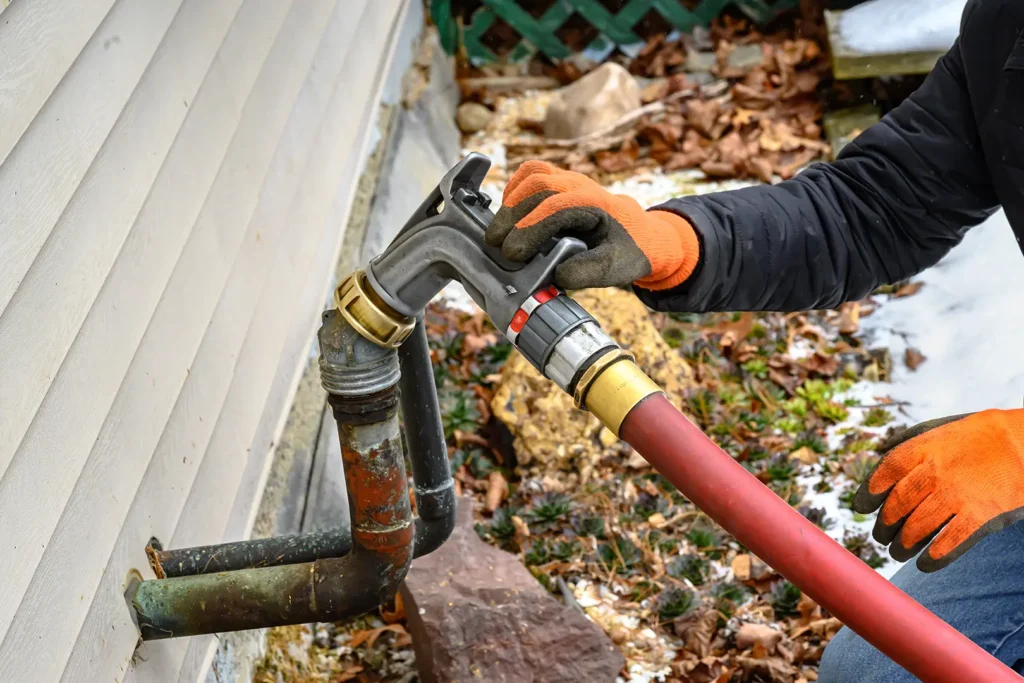

Heating oil additives tend to spark strong opinions. Some homeowners swear by them. Others assume they’re just another upsell—something oil companies push that doesn’t actually do much.
The truth, as usual, lives in the middle. Additives can work, and in the right situations they can absolutely be worth it. But they’re not magic, and they’re not always necessary. This guide breaks down what fuel oil additives actually do, when they help, when they don’t, and how to decide if they make sense for your home.
What Are Heating Oil Additives?
A heating oil additive is a concentrated fuel oil treatment designed to improve the performance, stability, and reliability of home heating oil. These additives are typically poured directly into your oil tank and mix with the fuel as it circulates through your system.
Additives are used to prevent problems like sludge buildup, water contamination, cold-weather gelling, clogged filters, and microbial growth inside the tank. They’re commonly referred to as “heating oil treatment additives,” “fuel oil treatment products,” or “heating oil tank treatments.”
Why Heating Oil Needs Additives
Decades ago, heating oil was more chemically stable. Modern refining processes—while cleaner and more efficient—have removed many of the naturally occurring compounds that once helped fuel resist breakdown.
As a result, today’s home heating oil is:
- More prone to oxidation, which leads to oil sludge
- More sensitive to water contamination from condensation
- Less stable during long storage periods
- More vulnerable to cold-weather gelling
Add to that the fact that many homes go months between deliveries, and you have fuel sitting in tanks long enough for problems to develop. Heating oil treatments exist to counteract these vulnerabilities.
Not all oil additives do the same thing. The best additive for your home heating oil depends on the specific problem you’re trying to prevent.
Types of Heating Oil Additives
Fuel Stabilizers
These slow down oxidation and chemical breakdown, helping prevent oil sludge formation during storage.
Water Controllers (De-Emulsifiers)
These are a type of heating oil additive to remove water, helping separate water from fuel so it can be filtered out instead of circulating through your system.
Important note: Alcohol-based additives don’t “remove” water—they suspend it, which can sometimes make corrosion worse. Modern de-emulsifiers are generally preferred.
Line Cleaners & Detergents
These help dissolve existing deposits in fuel lines, filters, and nozzles. They’re often used as part of a heating oil sludge treatment.
Biocides
Microbes can grow where oil and water meet. Biocides kill bacteria and fungi that contribute to sludge and corrosion inside tanks.
Anti-Gel Additives
A heating oil anti-gel additive lowers the temperature at which wax crystals form, helping prevent gelling and freezing in cold weather.
How Do Heating Oil Additives Work?
Additives for heating oil work at a molecular level inside the fuel itself, improving how it’s stored, transported, and burned rather than changing your equipment.
Fuel Stabilization
Fuel stabilizers slow oxidation—the reaction between heating oil and oxygen that causes breakdown and oil sludge. By interrupting this process, stabilizers keep heating oil cleaner during long storage periods.
Cold-Weather Flow Protection (Anti-Gel)
Heating oil contains wax molecules that crystallize and clump in cold temperatures, restricting fuel flow. Anti-gel additives modify wax crystals so they stay small enough to pass through fuel lines and filters, preventing gelling and freezing.
Water Control and Separation
Water-controlling additives force water to separate from fuel instead of remaining suspended. Once separated, water can be captured by filters or removed during service, reducing corrosion, microbial growth, and combustion problems.
What Additives Don't Do
Heating oil additives are preventive—not corrective. They won’t repair mechanical failures, remove large amounts of standing water, or fix severely contaminated tanks. Think of them as preventive maintenance for your fuel itself, not a repair tool.
Common Problems Additives Can Solve
When properly matched to the problem, additives can help prevent:
- Oil sludge buildup in tanks and filters
- Water contamination from condensation
- Clogged nozzles and filters
- Cold-weather gelling or freezing
- Bacterial and fungal growth inside tanks
They are especially useful for homes with older tanks, infrequent deliveries, or past sludge issues.
Do Heating Oil Additives Actually Work?
Yes—but with limits.
Heating oil additives are widely used across the fuel industry, including in commercial, industrial, and marine applications. When used correctly, they’ve been shown to reduce sludge formation, improve cold flow properties, and extend the usable life of stored fuel.
What they don’t do:
- Fix severely contaminated tanks
- Remove large amounts of standing water
- Repair mechanical issues in burners or pumps
Additives work best before problems occur, not after a system is already failing.
Are They Worth the Cost?
Consider using additives in these situations:
- Cold climates: If winter temperatures regularly drop below 20°F, a heating oil additive to prevent gelling should be standard practice, especially with above-ground tanks.
- Summer fill-ups: When oil will sit for months, use a stabilizer to prevent warm-weather degradation.
- After tank cleaning or new deliveries: Add treatment to fresh fuel to protect it from day one.
- Performance issues: If you’re experiencing frequent filter changes, sooting, or efficiency loss, additives can help clean the system while you address underlying problems.
- Water contamination: If you see signs of water (filter rust, corrosion, biological growth), water-controlling additives help manage ongoing condensation.
- Older tanks with sludge history: Regular use of cleaning additives can gradually reduce buildup—though severe contamination requires professional tank cleaning.
- Vacation homes: Properties with intermittent heating system use benefit from stabilizers that keep fuel fresh during idle periods.
How to Choose the Right Additive
Match the additive to your specific problem. For cold weather gelling, choose an anti-gel formula; for year-round protection, select a multi-function product addressing stability, water, and cleaning.
Check the treatment rate—some products treat 80 gallons per ounce, others 150. Calculate cost per gallon treated for best value.
Look for proven chemistry from established manufacturers; industrial and home heating oil additives often share reliable formulations.
Verify compatibility with No. 2 fuel oil used in residential heating, as diesel additives may not be optimized.
Consider alcohol content carefully. Small doses can disperse water, but high concentrations may cause corrosion; alcohol-free water dispersants are generally superior.
Read reviews from heating professionals and ask your fuel supplier for recommendations or branded additives they trust.
Pros and Cons of Heating Oil Additives
| Pros | Cons |
|---|---|
| • Helps prevent sludge and buildup | • Not a fix for severe contamination |
| • Reduces cold-weather fuel issues | • Using the wrong product can be ineffective |
| • Improves fuel stability | • Overuse offers no added benefit |
| • Low cost compared to repairs | • Dosing requires attention |
How to Use Fuel Oil Additives Properly
Add before or during fuel delivery. Pour the additive into your tank just before your delivery arrives, or add it to the first 50-100 gallons for thorough mixing.
Use the correct dosage. Follow label instructions precisely. Under-treating is ineffective; over-treating wastes money and may cause problems.
Treat consistently. Additives work best with regular use, not sporadic one-time treatments. Add with each delivery or seasonally.
Calculate for partial fills. Treat only the new fuel, not your total tank capacity.
Store properly. Keep bottles sealed at moderate temperatures. Extreme heat or cold can degrade formulations.
Track results. Watch for improvements—fewer filter changes, better burner performance, less sooting, improved cold-weather startup.
Combine with professional service. Use additives as part of a comprehensive maintenance program that includes annual tune-ups, filter changes, and tank inspections.
HOP Energy’s Recommendations
At HOP Energy, we take a practical, no-hype approach to heating oil additives. We don’t recommend them blindly—and we don’t dismiss them either.
For customers with a history of oil sludge, water issues, or winter gelling, professionally selected fuel oil additives can be a smart preventive step. Combined with reliable heating oil delivery and routine HVAC maintenance, they help protect your equipment and reduce unexpected breakdowns.
If you’re unsure whether additives make sense for your home, our technicians can assess your tank, fuel quality, and heating system and make an honest recommendation. Contact HOP Energy today to discuss your heating oil needs.
Frequently Asked Questions
Do heating oil additives remove all water from my tank?
No. They help manage small amounts of moisture, but standing water must be physically removed.
What is the best heating oil additive?
The best additive depends on your needs. For cold climates, choose anti-gel formulas. For year-round protection, select multi-function products that stabilize fuel, control water, and clean your system.
Can additives fix existing oil sludge?
They can help break down light buildup, but severe sludge requires professional cleaning.
How often should I use a fuel oil additive?
Use additives with each fuel delivery or at minimum once per heating season. For anti-gel protection, treat every winter fill-up below 20°F. For active problems, use more frequently until resolved.
Are heating oil additives safe for my furnace or boiler?
When used as directed and designed for home heating systems, yes, boiler and furnace oil additives are safe.
Do I need additives every year?
Not always. Homes with clean tanks and consistent deliveries may not need annual treatment.
Bottom line: Heating oil additives aren’t snake oil—but they’re not a cure-all either. Used correctly and for the right reasons, they can be a worthwhile investment in keeping your heating system reliable, efficient, and ready for winter.