
If you’ve recently switched to natural gas, upgraded to a new oil tank, or discovered an unused tank in your basement, you may be wondering what to do next. Old heating oil tanks can be hazardous if left in place too long, and removal isn’t something to DIY.
Here’s everything homeowners should know about oil tank removal, disposal, and how to do it safely.
Table of Contents
Residential Oil Tank Removal
Heating oil tanks can last decades, but corrosion, leaks, and sediment buildup eventually make them unsafe. Even a small leak can contaminate soil or groundwater, leading to costly cleanup and potential environmental fines.
That’s why safe, professional residential tank removal is essential, not only for your property value, but for your peace of mind.
Removing and Disposing of Aboveground Oil Tanks
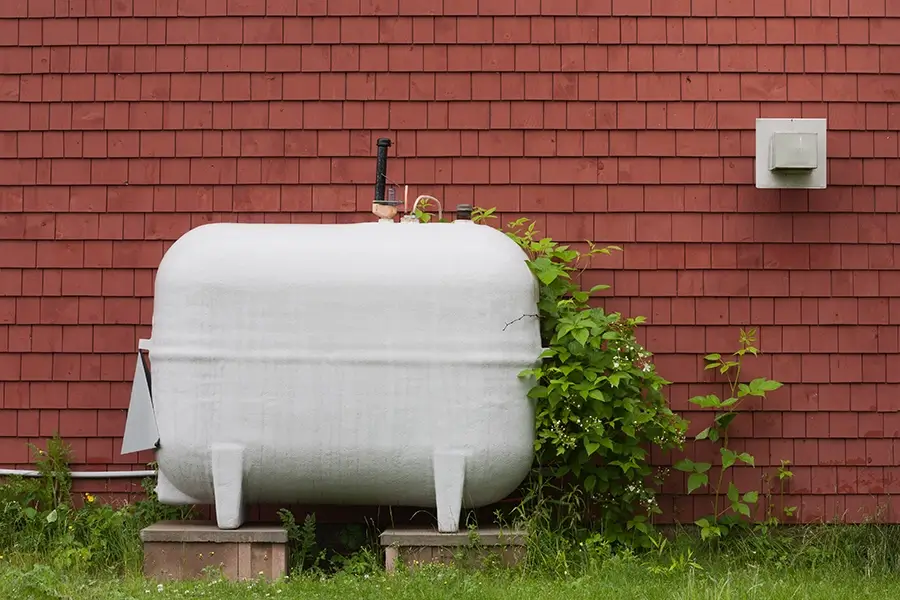
If your tank is located in a basement, garage, or outside on a stand, you have what’s considered an aboveground oil tank. These are generally the easiest and least expensive to remove.
Here’s what the process typically involves:
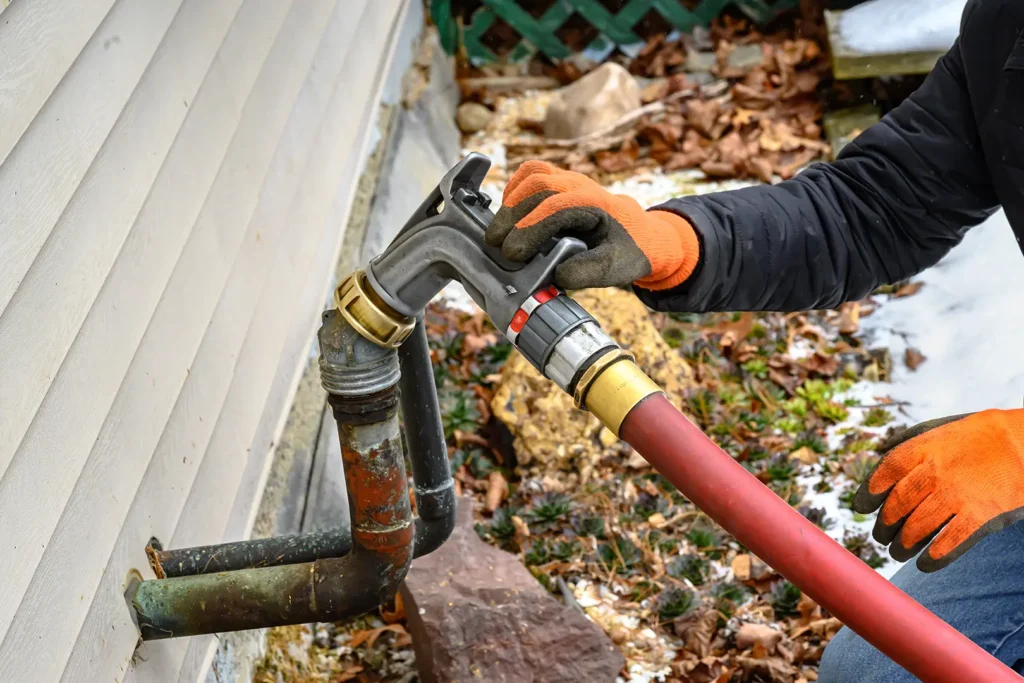
- Inspection and preparation – The tank is checked for leaks or residue. Any remaining fuel is pumped out and disposed of safely.
- Tank removal – Certified technicians disconnect fuel lines, remove the tank, and clean the area.
- Transportation and disposal – The tank is transported to a licensed oil tank recycling or disposal facility.
Professional removal ensures all local and environmental regulations are followed, which is something you can’t guarantee with DIY methods.
HOP Energy’s heating oil experts can coordinate safe tank removal or replacement as part of your heating system upgrade.
Removing and Disposing of Underground Oil Tanks
Removing an underground oil tank requires a bit more heavy lifting … literally! These tanks are often buried several feet below ground and may have been abandoned years ago.
The process typically includes:
- Excavating the tank using specialized equipment
- Pumping out leftover oil and sludge
- Cleaning and cutting open the tank for safe disposal or recycling
- Soil testing to check for contamination
If your underground tank has leaked, your removal contractor can guide you through remediation requirements in your area. HOP Energy partners with licensed specialists to ensure compliance and proper environmental reporting.
How to Dispose of an Oil Tank
Old heating oil tanks can’t be taken to your local dump or recycling center; they require special handling by licensed professionals.
Even if the tank has already been removed/disconnected, please avoid hauling or cutting the tank yourself. It can contain flammable vapors, oil residue, or rust that poses safety risks.
Attempting to move or cut a tank yourself is not only dangerous; it may also violate local environmental codes. Instead, hire a professional to dispose of it for you.
Who Takes Old Oil Tanks?
Only certified oil service companies or hazardous waste haulers are authorized to pump out, transport, and dispose of (or recycle) heating oil tanks.
These professionals have the right equipment to safely drain residual oil, clean the tank, and ensure all materials are properly processed.
If you’re ready to get rid of an unused tank, HOP Energy can connect you with trusted partners who can remove your oil tank safely, efficiently, and in full compliance with environmental standards.
Recycling Old Heating Oil Tanks
Wondering if your tank can be recycled instead of thrown away? The good news is yes — most steel heating oil tanks can be taken to a certified recycling facility once cleaned and drained. The metal is processed and reused, minimizing environmental impact.
Your removal contractor or local HOP Energy office can recommend the nearest licensed recycler in your region.
Can I Leave an Old Oil Tank in My Basement?
You can … but you shouldn’t. While it’s technically legal in some areas to leave an empty tank in place, doing so can create future hazards, including:
- Hidden leaks or corrosion
- Odor or vapor buildup
- Complications during property sales or inspections
If you no longer use oil heat, it’s best to schedule professional removal.
Replacing an Old Oil Tank
If you’re still using heating oil and your tank is nearing the end of its lifespan (typically 15–20 years), replacement may be a smarter option than full removal. Modern tanks are built with corrosion-resistant materials and leak prevention features for added safety.
Learn more about oil tank replacement and upgrades through HOP Energy’s heating oil tank services.
FAQs About Heating Oil Tank Removal
Q. How long does oil tank removal take?
A. Most aboveground removals take just a few hours. Underground tanks can take a day or more depending on accessibility and site conditions.
Q. Do I need a permit to remove an oil tank?
A. In many areas, yes. Your contractor or HOP Energy representative can handle the paperwork for you.
Q. What does oil tank disposal cost?
A. Costs vary based on size, location, and disposal requirements, but aboveground removals/disposals are generally much less expensive than underground ones.
Q. Can HOP Energy remove or replace an oil tank?
A. Absolutely. HOP Energy provides tank inspection, removal, and replacement services across the Northeast, ensuring your system stays safe and compliant year-round.
Trust HOP Energy for Safe Oil Tank Disposal
When it’s time to retire your old heating oil tank, trust the professionals who know home heating best. From inspection to disposal, HOP Energy makes the process simple, safe, and compliant with local environmental standards.
Contact your local HOP Energy office today to schedule an estimate or learn more about our oil tank removal and replacement services.