Propane Tank Sizes Explained Choosing the Right Size for Your Home

Propane Tanks

Choosing the correct propane tank size is crucial for efficient energy use in your home. 

Propane is a versatile and widely used fuel source that powers appliances such as stoves, water heaters, and home heating systems. The right tank size ensures uninterrupted service and optimizes operational costs and safety. 

This guide our HVAC technicians created provides clear information on various propane tank sizes and how to select the best one based on your household needs.

Table of Contents

Understanding Propane Usage in Homes

Propane is a preferred energy source for various residential applications due to its efficiency and reliability. Key uses in homes include:

  • Heating: Propane furnaces provide high-heat output and are more efficient than some electric models.
  • Cooking: Gas stoves and ovens with propane offer precise temperature control and consistent heat.
  • Water Heating: Propane water heaters heat water faster and are available in tank and tankless models.
  • Clothes Drying: Propane dryers dry clothes more quickly and with less static cling than electric dryers.
  • Pool Heating: Propane is commonly used for efficient swimming pool heating, allowing for longer swimming seasons.
  • Outdoor Kitchens: Propane powers grills and cooktops in outdoor kitchens, providing convenient and reliable cooking options.

Propane consumption varies significantly based on the type and number of appliances used and individual usage patterns. A household that uses propane for both heating and cooking will have much higher demand in colder months than a home using propane strictly for cooking.

Types of Propane Tanks and Cylinders

Propane is stored in tanks and cylinders, each serving different applications and installation scenarios:

  • Propane Tanks: Large units typically used for residential heating, cooking, and other energy needs. They may be installed above ground or underground.
    • Above-ground tanks are easier to install and maintain, but they are more vulnerable to temperature changes and are visible in your yard.
    • Underground tanks are aesthetically preferred as they are hidden from view; these tanks are protected from the elements but are more expensive to install.

  • Propane Cylinders: Smaller and portable; ideal for barbecue grills, portable heaters, and small appliances. Size options range from tiny 1-pound cylinders for camping to larger 100-pound cylinders for temporary or supplementary residential use.

Choosing between a tank or cylinder depends on your usage frequency, quantity needed, and whether the installation is permanent or temporary.

Typical Propane Tank Sizes

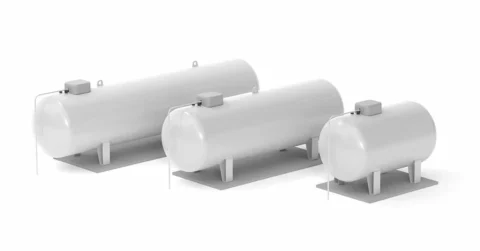
Propane tanks are typically measured in gallons, which refer to the tank’s water capacity. Some are measured in pounds. However, it’s important to note that propane is stored as a liquid under pressure, and a tank is usually filled to 80% of its total capacity to allow for gas expansion.

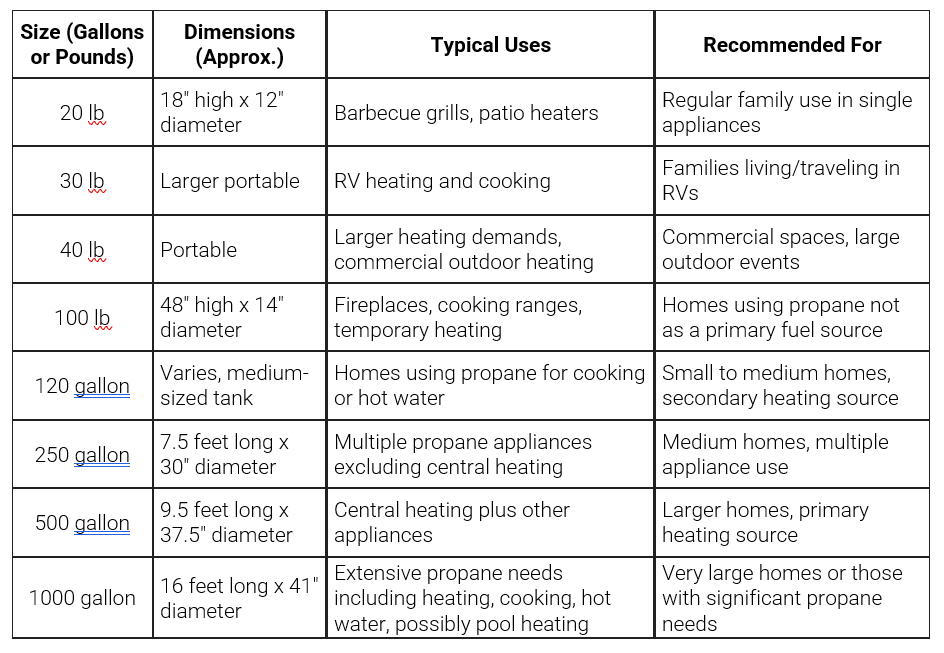
Common Propane Tank Sizes and Their Uses

Choosing the correct tank size ensures you have enough propane to meet your needs without frequent refilling while accommodating any potential increase in usage or additional appliances. 

Here’s a list of different propane tank sizes and their uses.

Comparison chart:
20 lb Propane Tank

  • Capacity: Approximately 5 gallons of propane. 80% usable capacity is 4 gallons.

  • Dimensions: About 1 foot 6 inches tall and 12 inches in diameter.

  • Common Uses: Most often used for gas grills, patio heaters, portable stoves, and small generators.

Placement: Always stored and used above ground, usually portable for easy transport.

100 lb Propane Tank

  • Capacity: Approximately 23-25 gallons of propane. 80% usable capacity is 23 gallons.

  • Dimensions: Roughly 4 feet tall and 14 inches in diameter.

  • Common Uses: Ideal for small appliances such as gas grills, space heaters, and backup generators.

Placement: Typically placed above ground.

100 Gallon Propane Tank

  • Capacity: Holds 100 gallons of propane. 80% usable capacity is 80 gallons.

  • Dimensions: Approximately 4 feet 3 inches in length and 30 inches in diameter.

  • Common Uses: Suitable for heating small homes, mobile homes, or fueling appliances like water heaters and stoves.

  • Placement: Commonly installed above ground.


120 Gallon Propane Tank

  • Capacity: Holds around 120 gallons of propane. 80% usable capacity is 96 gallons.

  • Dimensions: Roughly 54 inches tall and 30 inches in diameter.

  • Common Uses: A good choice for heating small homes or cabins, fueling multiple appliances such as furnaces, water heaters, clothes dryers, or fireplaces.

  • Placement: Usually installed above ground, either vertically or horizontally, depending on the property layout.

250 Gallon Propane Tank

  • Capacity: Holds about 250 gallons of propane. 80% usable capacity is 200 gallons.

  • Dimensions: Approximately 7 feet 10 inches in length and 30 inches in diameter.

  • Common Uses: Appropriate for heating larger homes or powering multiple appliances such as water heaters, dryers, and fireplaces.

  • Placement: Can be installed above ground or buried underground.

500 Gallon Propane Tank

  • Capacity: Holds about 500 gallons of propane. 80% usable capacity is 400 gallons.

  • Dimensions: Approximately 9 feet 11 inches in length and 37.5 inches in diameter.

  • Common Uses: Ideal for heating larger homes, fueling multiple appliances, or providing energy for commercial applications.

  • Placement: Suitable for both above ground and underground installations.

1000 Gallon Propane Tank

  • Capacity: Holds about 1000 gallons of propane. 80% usable capacity is 800 gallons.

  • Dimensions: Approximately 16 feet 2 inches in length and 41 inches in diameter.

  • Common Uses: Designed for large homes, agricultural operations, or commercial businesses with high propane demands.

Placement: Typically installed above ground or buried underground.

Estimating Your Propane Needs

Accurately estimating your propane needs is essential to choosing the right tank size and avoiding frequent refills or excess capacity. Here’s how to calculate your household’s propane consumption:

  1. List Appliances: Identify all propane-powered appliances in your home, including heaters, stoves, water heaters, and dryers.
  2. Determine Usage: Estimate how often each appliance is used. Consider how many hours per day it runs during the heating season. Estimate how many meals are cooked on the stove or oven each week.
  3. Calculate Consumption: Look up the BTU (British Thermal Unit) ratings for each appliance—this indicates the amount of propane they consume when in use. Convert these figures into gallons of propane based on the following conversion: One gallon of propane provides approximately 91,500 BTUs.
  4. Consider Seasonal Variations: Adjust your calculations based on seasonal changes. For example, heating needs will spike in winter, while water heating may remain constant throughout the year.
  5. Add a Buffer: To ensure you don’t run out of propane, add a 10-20% buffer to your estimated needs. This accounts for unexpected increases in usage.

By following these steps, you can develop a reasonably accurate estimate of your yearly propane consumption, aiding in the selection of an appropriately sized tank. Consulting with a propane supplier can provide professional insights and more precise assessments for those who need clarification on their calculations.

Factors to Consider When Choosing a Propane Tank Size

Selecting the right propane tank or cylinder involves several considerations that ensure efficiency, compliance, and safety. Here are key factors to evaluate:

  • Home Size and Insulation: Larger homes or those with poor insulation may require larger tanks to meet home heating demands.
  • Number of Propane Appliances: The more propane-powered appliances you have, the larger the tank you’ll need.
  • Climate: Colder climates may necessitate larger tanks to ensure a sufficient fuel supply during winter months.
  • Budget: Larger tanks have a higher initial cost but can be more economical over time due to less frequent refills.

By carefully considering these factors, you can choose a propane tank or cylinder that meets your current needs and accommodates future requirements and logistical constraints.

Installation and Safety Considerations

Proper installation and ongoing safety are paramount when using propane tanks and cylinders.

Note that for some homeowners, heating oil may be considered a safer alternative depending on the property layout and usage patterns. HOP Energy offers both propane and heating oil solutions, helping you choose the best and safest fuel option tailored to your home’s unique needs.

If you do go with propane, make sure you follow these key safety considerations and tips:

  • Professional Installation: Always use qualified professionals to install propane tanks. They will ensure compliance with local codes and safety standards.
  • Placement: Tanks should be placed on a non-flammable, solid foundation such as concrete and located away from the home’s main structure to reduce the risk of fire damage. Underground tanks require specific considerations for depth and protection against corrosion.
  • Distance Regulations: Adhere to local regulations regarding the minimum distance between the tank and the house, property lines, and other structures. This helps in ensuring safety and ease of access for maintenance and refilling.
  • Regular Maintenance: Schedule regular inspections and maintenance with a certified technician. This includes checking for leaks, rust, and other potential safety hazards.
  • Emergency Procedures: Ensure all household members know what to do in case of a propane leak, including how to turn off the propane supply and evacuate safely. Install propane detectors in the home to provide early warnings of leaks.
  • Proper Usage: Follow the manufacturer’s guidelines for connecting and disconnecting appliances and cylinders. Never use outdoor propane appliances indoors.

By adhering to these installation and safety considerations, you can maintain a safe and efficient propane system in your home, minimizing risks while enjoying the benefits of propane energy. 

The National Propane Gas Association is another good source of propane safety information.

Final Considerations

Selecting the right propane tank size is essential for efficient energy use and safety in your home. By considering factors such as home size, number of appliances, and climate, you can choose a tank that meets your home propane needs. Consulting with a propane professional like HOP can provide personalized recommendations to ensure optimal performance.

If you need further assistance or have specific questions about propane, propane tank, or home heating in general, feel free to reach out to us!
Frequently Asked Questions About Propane Tank Sizes

What are the most common propane tank sizes for homes?

Common residential propane tanks range from the 100 lb propane tank (about 24 gallons) for small appliances to larger tanks like the 250, 500, and 1000 gallon propane tanks used for whole-house heating and multiple appliances.

What size propane tank do I need for my house?

It depends on your total propane usage, including heating, cooking, and water heating. Most homes use tanks from 120 gallons up to 500 gallons, depending on house size and the number of propane appliances.

What is the difference between a 100 gallon propane tank and a 100 lb propane tank?

A 100 lb propane tank holds about 23.6 gallons of propane (by weight), while a 100 gallon tank holds 100 gallons of liquid propane. The 100 lb tank is much smaller and typically used for grills or small appliances.

How much propane do I need for a 2000-square-foot house?

For a 2000 sq. ft. home primarily heated with propane, a 500-gallon tank is usually recommended. Annual usage varies based on climate and insulation but typically falls between 1,200 and 1,500 gallons.

Can I install a large propane tank underground?

Yes, many large tanks, such as 250, 500, and 1000 gallon sizes, can be installed underground or above ground, depending on local codes and space.

Can a propane tank be installed right next to the house?

No, safety codes require propane tanks (100 gallons or larger) to be installed at least 10 feet away from the house or any ignition sources.

How far should a propane tank be from windows or openings?

Propane tanks should be placed at least 10 feet from any doors, windows, or vents to prevent fumes from entering the home.

What size propane tank do I need for a whole-house generator?

A 500-gallon propane tank is a common choice for whole-house generators, providing enough fuel for extended power outages, though tank size depends on your generator’s fuel consumption.

Are larger propane tanks more cost-effective?

Generally, yes. Larger tanks require less frequent refills, lowering delivery fees and ensuring a steady fuel supply, which can save money over time.

What is the largest propane tank used for residential purposes?

The largest common residential tank is 1000 gallons, suitable for large homes or properties with high propane needs, like farms or homes with multiple propane appliances.

How do I estimate my propane needs accurately?

Calculate your propane consumption by listing all propane appliances, estimating their usage, checking their BTU ratings, converting BTUs to gallons, and adding a 10-20% buffer for safety.

What safety considerations should I keep in mind when installing propane tanks?

Ensure professional installation, proper placement on a solid foundation, adherence to distance regulations, regular maintenance, and that everyone in your home knows emergency procedures.

Fact Over Fiction: How Propane Is Lighting the Way to a Cleaner Future

Blue propane burner flames, separating propane fact from fiction

Propane, often overlooked in the energy debate, holds significant environmental and efficiency benefits that debunk common myths about its use. Its lower emissions, high energy output, and compatibility with renewable technologies showcase its role beyond a mere transitional fuel. Propane is instrumental in the move towards cleaner energy solutions, offering a reliable alternative that complements the intermittency of renewable sources like solar and wind.

Table of Contents

The development of bio-propane and advancements in propane technologies further enhance its sustainability credentials, suggesting a long-term role in global energy strategies. With an established distribution network, propane is accessible and poised to meet diverse energy needs across residential, commercial, and industrial sectors.

Environmental Advantages of Propane

Propane stands out for its environmental benefits, primarily due to its clean-burning nature. It produces fewer greenhouse gases compared to other fossil fuels, with significantly lower carbon dioxide (CO2) emissions upon combustion. This reduction in emissions is crucial for efforts aimed at combating climate change.

Moreover, propane generates minimal particulate matter and lower nitrogen oxides (NOx), pollutants associated with air quality concerns. These characteristics make it a preferable choice in reducing smog and improving overall air quality, particularly in densely populated or sensitive ecosystems.

Its efficiency and lower emissions profile place propane as a practical component of environmental strategies, supporting the transition to cleaner energy sources while maintaining energy reliability and performance.

Debunking Myths with Facts

Myth 1: Propane is as Harmful as Coal and Oil

Fact: Propane emits significantly fewer greenhouse gases and pollutants than coal and oil. Its combustion process is cleaner, making it a more environmentally friendly option.

Myth 2: Propane’s Environmental Impact is Negligible

Fact: While propane is cleaner than many alternatives, it plays a crucial role in reducing emissions and improving air quality. Its benefits are substantial, particularly when replacing more polluting fuels.

Myth 3: There is No Environmental Justification for Using Propane

Fact: Propane serves as an effective bridge fuel, facilitating the transition to renewable energy by providing reliable and cleaner energy during this shift. Its use supports significant environmental improvements.

Myth 4: Propane's Role in Sustainability is Overstated

Fact: The integration of propane into energy systems can enhance efficiency and reduce reliance on less sustainable energy sources. Its contributions to sustainability efforts, especially in terms of reducing overall energy consumption and emissions, are both real and measurable.

Myth 5: Switching to Propane Does Not Significantly Reduce Carbon Footprint

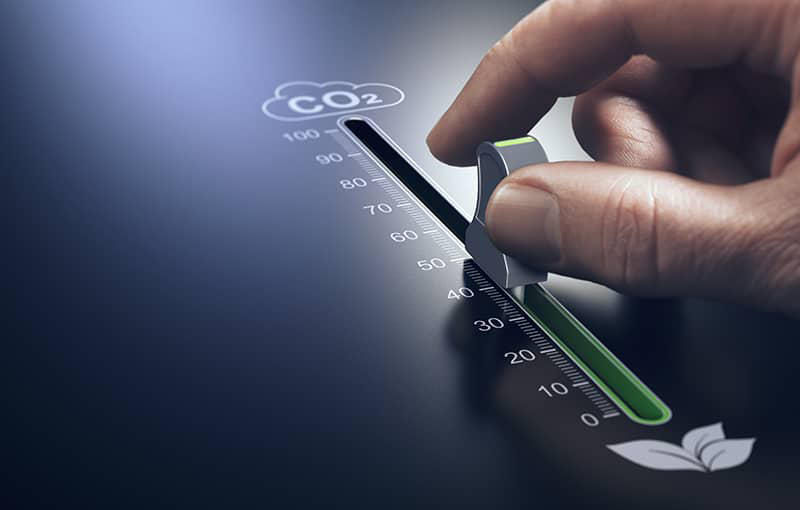
Fact: Transitioning to propane from fuels like gasoline, diesel, or heavy oil can lead to a marked decrease in carbon emissions. Propane’s lower carbon content and higher combustion efficiency make it a key player in efforts to minimize carbon footprints across various sectors.

Slider lowering CO2 emissions, propane facts on lower carbon emissions

Myth 6: Propane Production is as Environmentally Damaging as Other Fossil Fuels

Fact: The extraction and processing of propane are generally less impactful than the production processes for coal and oil. While still part of the fossil fuel family, propane’s lifecycle emissions are lower, making its production comparatively less harmful to the environment.

Myth 7: Propane Cannot Contribute to Renewable Energy Goals

Fact: Propane can complement renewable energy sources by providing a reliable and clean backup energy solution. Its capacity for storage and on-demand usage makes it an ideal partner for solar and wind energy, ensuring energy availability during periods of low renewable generation.

Myth 8: Propane is Just a Transitional Fuel and Lacks Long-Term Viability

Fact: While propane is an excellent transitional fuel, ongoing advancements in propane technology and its integration with renewable energy systems suggest its potential for long-term viability in a sustainable energy mix. Propane’s role is evolving, indicating its continued relevance in future energy strategies.

Myth 9: Propane Use is Limited and Cannot Meet Large-Scale Energy Demands

Fact: Contrary to this belief, propane is highly scalable and versatile, capable of meeting both small-scale residential needs and large-scale industrial demands. Its efficiency and the infrastructure already in place allow it to serve a wide range of energy requirements effectively.

Myth 10: Propane Technology Has Peaked and Offers No Further Environmental Benefits

Fact: Innovation in propane technologies continues to advance, with research focused on increasing efficiency and reducing emissions even further. Developments in propane combustion engines, hybrid systems with renewable energy, and improvements in storage and distribution methods promise enhanced environmental benefits.

Myth 11: Propane Safety Concerns Outweigh Its Environmental Advantages

Fact: While safety is paramount in handling all energy sources, propane has a strong safety record due to strict regulations, industry standards, and the inherent properties of propane that make it safer than many alternatives. Proper handling and storage significantly mitigate risks, ensuring that its environmental advantages are not overshadowed by safety concerns.

Myth 12: The Environmental Impact of Propane Transport Negates Its Benefits

Fact: Although transporting any fuel has an environmental impact, propane’s transportation is relatively efficient, thanks to its liquid state under pressure, allowing for compact and safe transport. The overall lifecycle emissions of propane, even when including transportation, remain lower compared to many other fuels.

Myth 13: Propane Appliances Are Less Efficient and More Costly Than Electric Ones

Fact: Modern propane appliances are highly efficient, often exceeding the performance of their electric counterparts, especially in heating and cooking applications. When considering the full cost of supply, including the efficiency of production and distribution, propane can be more economical and offer faster heating times and better control over cooking temperatures.

Myth 14: There is Limited Research and Development in Propane Technology

Fact: The propane industry is at the forefront of research and development efforts, focusing on enhancing propane’s efficiency and environmental benefits. Innovations include hybrid propane-renewable energy systems, advanced combustion appliances, and the development of renewable propane, which is produced from sustainable resources.

Myth 15: Propane is Difficult to Find and Refill

Fact: Propane is widely available, with an extensive distribution network that spans across urban and rural areas. The infrastructure for propane refilling and exchange is well-established, making it convenient for consumers to access propane when needed.

Myth 16: Switching to Propane Requires Significant Infrastructure Changes

Fact: Many existing heating systems and appliances can be easily converted to use propane, often with minimal modifications. The process is straightforward, and the propane industry provides services and support to facilitate the transition for both residential and commercial users.

Myth 17: Propane Does Not Offer Modern Technological Features

Fact: Propane appliances and systems are increasingly incorporating smart technology, offering users enhanced efficiency, control, and integration with home automation systems. These advancements improve user experience and energy management, debunking the myth that propane technology is outdated.

Myth 18: Propane Storage Tanks Are an Eyesore and Decrease Property Value

Fact: Propane tanks can be installed underground or designed to blend with the landscape, minimizing visual impact. Moreover, the presence of a propane system can actually increase property value by providing an efficient, independent energy source, especially in areas where other utilities are less reliable.

Myth 19: Propane Only Works for Heating and Cooking

Fact: Beyond heating and cooking, propane powers a wide array of appliances and equipment, including water heaters, clothes dryers, generators, outdoor grills, and even vehicles. Its versatility extends to commercial and agricultural uses, proving propane is a multi-purpose energy source.

Myth 20: Converting to Propane is Time-Consuming and Disruptive

Fact: Propane conversion typically involves straightforward modifications and can often be completed quickly, with minimal disruption to property owners. Professional installers ensure a seamless transition, providing guidance and support throughout the process.

Myth 21: Propane's Performance is Affected by Cold Weather

Fact: Propane remains effective under a wide range of temperatures and is reliable even in extremely cold conditions. Its ability to vaporize at low temperatures ensures consistent performance, making it an excellent choice for heating in cold climates.

Myth 22: Using Propane Means Constantly Monitoring Fuel Levels

Fact: Many propane providers offer automatic delivery services, using consumption patterns and monitoring technology to ensure a continuous supply. This convenience eliminates the need for regular checks, offering peace of mind to users.

Each of these myths underscores common misconceptions about propane that don’t align with current realities and advancements in the field. Dispelling these myths is crucial for understanding the true versatility, efficiency, and potential of propane as a preferred energy choice.

Propane in a Sustainable Future

Propane is a key player in the shift toward sustainable and renewable energy, offering more than just a transitional solution. Its ability to complement renewable sources like solar and wind with on-demand energy ensures reliability without sacrificing environmental objectives. The ongoing development of more efficient and eco-friendly propane technologies, including bio-propane, enhances its sustainability profile.

The extensive propane distribution network ensures its accessibility for various applications, reinforcing its role in both current and future energy frameworks. High-efficiency propane appliances contribute to reduced energy consumption and lower emissions, aligning with global conservation efforts.

Economically, propane presents a cleaner alternative that can bolster economic growth, improve health outcomes by reducing pollution, and support energy reliability in underserved areas. As recognition of its environmental benefits grows, propane is poised to influence policy and advocate for a cleaner energy mix.


Propane’s integration into the energy landscape underscores its potential as a sustainable option, equipped to address contemporary energy challenges and contribute to a more sustainable, inclusive energy future.

Conclusion

Recognizing propane’s value is essential for informed energy policy and environmental advocacy. It stands not only as a bridge to a renewable future but also as a key player in a sustainable, diversified energy mix. This re-evaluation of propane encourages a broader acceptance and integration into energy planning, underscoring its potential to contribute positively to environmental goals and energy security. Propane’s journey underscores the importance of data-driven decisions in energy policy, advocating for its rightful place in the pursuit of a cleaner, more sustainable energy landscape.

Preventing Propane Tank Freezing: A Comprehensive Guide

frozen propane tank

Propane is a versatile fuel source for heating, cooking, and more in many households and industries. However, one common issue that propane users face, especially during cold weather, is the freezing of their propane tanks. This article will explore the reasons behind propane tank freezing, the potential dangers, and, most importantly, how to prevent it. We will also discuss whether propane gas can freeze and how cold weather affects propane tanks.

Table of Contents

Why Is My Propane Tank Freezing?

Propane tanks freeze primarily due to the rapid vaporization of propane within the tank. As liquid propane turns into vapor, it absorbs heat from the surrounding environment, causing the tank’s temperature to drop. In frigid weather, this can lead to the tank freezing since there isn’t much heat to begin with. This is especially apparent when an appliance with a high BTU rating uses a smaller tank that doesn’t match that appliance’s energy needs.

Can Propane Lines Freeze?

Yes, propane lines can freeze. Like the propane tank, propane lines can experience freezing in cold temperatures. When the gas inside the lines expands, it absorbs heat, leading to the formation of ice. Frozen propane lines can impede gas flow to your appliances, causing heating or cooking issues.

Is It Dangerous When a Propane Tank Freezes?

Freezing propane tanks can pose certain dangers. While the propane itself does not freeze, the drop in tank temperature can affect pressure levels, potentially causing regulator malfunctions. These malfunctions can lead to an irregular propane supply to your appliances, which can be inconvenient and potentially dangerous in cold conditions. Additionally, in extreme cases, frozen tanks can develop stress fractures or damage, leading to gas leaks.

How to Keep a Propane Tank From Freezing While Running

Preventing propane tank freezing while in use is essential for maintaining a steady fuel supply. Here are some tips to ensure your tank remains operational in cold weather:

Use an Insulating Blanket

Wrapping your propane tank with an insulating blanket can help retain heat and prevent freezing. These blankets are available at most hardware stores and are easy to install.

Maintain Adequate Gas Levels

Keep your propane tank at least 20% full to reduce the vaporization rate and, consequently, the risk of freezing.

Regulator Placement

Position the propane regulator above the tank so that any condensed water drains away, reducing the likelihood of freezing.

Install a Windbreak

Shield your propane tank from the cold winds by using a windbreak or constructing a simple barrier around it.

Monitor the Tank

Regularly check your tank’s pressure gauge to ensure it remains within the recommended range.

Does Cold Weather Affect Propane Tanks?

Cold weather indeed affects propane tanks. As the temperature drops, the tank’s exterior becomes colder, leading to the risk of freezing, as discussed earlier. However, cold weather also reduces the vaporization rate of propane, potentially affecting the efficiency of your appliances. In extremely cold conditions, the pressure inside the tank can drop, affecting the gas supply.

Does Propane Gas Freeze?

Propane gas itself does not freeze. It remains gaseous at temperatures well below freezing, making it a reliable energy source even in the coldest climates. The freezing point of propane is approximately -44°F (-42°C). This means propane gas remains in a gaseous state at temperatures above -44°F and only becomes a liquid when cooled below this threshold. As a result, the gas itself will not freeze inside the tank.

Why Do Propane Tanks Get Cold?

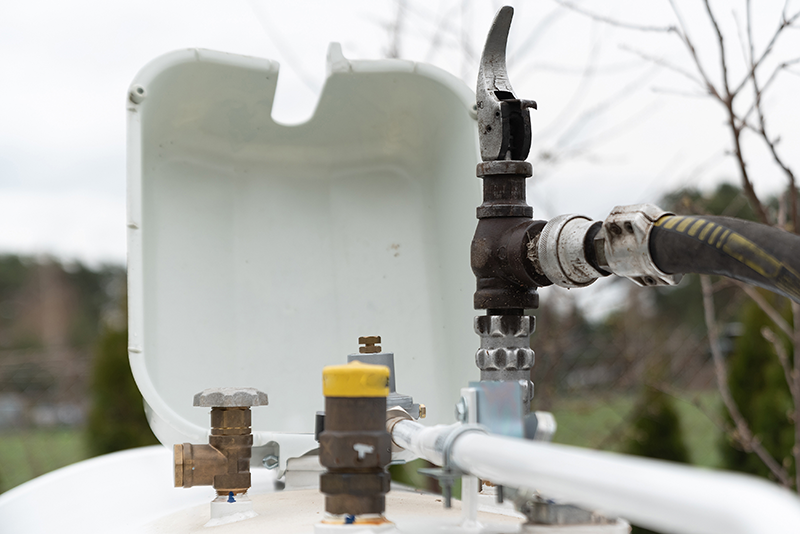
Propane tanks get cold due to the thermodynamics of the propane phase change. When the liquid converts to vapor, creating the propane gas, it absorbs heat from the sides of the tank and the surrounding surfaces. This process, called vaporization, is necessary for propane to be used as fuel. When an appliance demands higher vapor withdrawal from the tank (i.e. an appliance with a high BTU rating uses the tank), the rapid heat absorption can cause frost to form in the service valve or ice on the tank’s wall.

In colder weather climates, when an appliance is using the propane tank, it’s easier for a tank or line to freeze due to the lack of heat. This is why it’s important to match the right tank size for the appliance you intend to use based on the BTU rating.

Summary

Preventing propane tank freezing is crucial to maintain a continuous fuel supply and avoid potential hazards. By using insulation, maintaining adequate gas levels, regulating the positioning of equipment, and monitoring the tank’s pressure, you can ensure a reliable propane source even in cold weather. Understanding the science behind freezing propane and taking appropriate measures will help you safely and efficiently use this versatile energy source throughout the year.

Frequently Asked Questions

Why is my propane regulator covered in ice when it is 40 degrees outside?

Regulator icing has almost nothing to do with the air temperature. It happens because propane goes through a sharp pressure drop as it passes through the regulator, and that pressure drop chills the regulator body well below the temperature of the air around it. Any humidity in that air then condenses on the cold metal and freezes.

This is why you can walk outside on a mild, damp day and find frost on the regulator. The ice forms on the atmospheric side of the diaphragm rather than the propane side, so the moisture causing it comes from the air around the regulator, not from your fuel.

How do I safely thaw a frozen propane regulator?

Pour warm water over the regulator. That is the method propane professionals recommend, and it works quickly without risking damage to the components.

Never use an open flame, a propane torch, or a heat gun on a regulator. You are working next to a pressurized fuel system, and the risk is not worth the few minutes you might save. A hair dryer is safe but often too weak to cut through heavy ice.

If the same regulator ices up repeatedly through a season, thawing it is treating a symptom. Diaphragms degrade with age, and a regulator that keeps failing needs replacement rather than another round of warm water.

Can I wrap my propane regulator to keep it from freezing?

You can protect a regulator, but there is one rule you cannot break: the vent has to stay completely clear. Regulators vent to the atmosphere as part of normal operation, and blocking that vent with insulation, a blanket, or a towel can cause the regulator to malfunction. That is a genuine safety hazard, not a performance issue.

The better approach is a purpose-built regulator cover, or a small hood or roof structure mounted above the regulator to keep rain and snow off it while leaving airflow unobstructed. Shielding the regulator from moisture solves the problem that wrapping it is trying to solve, without introducing a new one.

My gauge shows the tank is half full but nothing is working. What is wrong?

Fuel level and fuel delivery are two separate things, and a half-full gauge with no gas at the appliance is nearly always a delivery problem.

Work through it in this order. Check the regulator for ice, which is the most common culprit in cold weather. Confirm the service valve at the tank is fully open, since a partially open valve can pass enough gas for a small appliance but not enough for a furnace. Consider whether extreme cold has slowed vaporization below what your system is demanding. If all of that checks out, the issue is likely at the appliance itself.

If your heat is out and you cannot resolve it quickly, call for service rather than working through trial and error in freezing weather.

Does tank size affect how likely my propane tank is to freeze?

Yes, and it is one of the more overlooked factors. A larger tank holds more liquid propane and presents more surface area for heat transfer from the surrounding air, so it vaporizes more readily and keeps up better under heavy demand.

Freeze-off problems show up most often when a small tank is asked to run a high-BTU appliance. The tank simply cannot convert liquid to gas fast enough, temperature drops, and vaporization slows further. It becomes a loop.

If you run into this every winter, the tank is undersized for your heating load. Size it correctly once and you stop fighting it every cold snap.

Can moisture inside the tank cause freezing problems?

It can. Water that makes its way into a propane system can freeze at the regulator or inside the lines and block flow entirely. This is different from the vaporization frost that forms on the outside of a tank, and it produces a harder stoppage.

A well-run supplier manages this through careful tank handling, proper purging of new tanks, and appropriate additives. Recurring moisture blockages point to something upstream, so call your propane provider. This is not something you can fix at the tank.

Should I use a heat lamp or a tank heater on my propane tank?

Use only equipment built and certified specifically for propane tanks. Commercially manufactured tank heating blankets designed for this purpose are fine and work well.

Improvised heating is where people get into trouble. Heat lamps, shop heaters, space heaters aimed at a tank, and anything with an open flame do not belong near propane. You will find plenty of advice online from people who have done exactly that without incident. When it does go wrong, it goes very wrong.

The rule is simple. If it was not designed for propane tanks, it does not go near yours.

How cold does it have to get before my propane system stops working?

The -44F number often quoted is the point where propane stops being a gas at atmospheric pressure. It is a real number, but it is not the number that matters for most homeowners.

What actually matters is vaporization rate. As the tank gets colder, propane converts from liquid to gas more slowly. If that rate falls below what your appliances are demanding, tank pressure drops and your system underperforms or shuts down, even though the temperature is nowhere near -44F.

That is why a small, low tank can cause problems at 10F while a properly sized, well-filled tank runs fine in the same weather. Tank size, fill level, and total demand determine your practical limit far more than the freezing point of propane does.

Heating Oil vs. Propane: Differences, Benefits & Drawbacks

Heating Oil vs Propane

When choosing a heating system for your home or business, it’s important to consider more than just monthly heating costs. The fluctuating prices of heating oil, propane, and natural gas should prompt you to evaluate other factors. This guide will explore the pros and cons of heating oil and propane systems, compare the costs of oil and propane furnaces, and take into account the geographical influence on your decision. Let’s delve into the details of home heating oil and propane.

An Overview of Propane vs. Heating Oil

Both heating oil and propane are delivered to your location by truck and stored in on-site tanks. Heating oil is derived from crude oil, while propane is a byproduct of natural gas processing. It’s essential to understand these fundamental distinctions before weighing their merits and drawbacks.

Differences Between Heating Oil and Propane

Heating oil is a low-viscosity fuel oil derived from crude oil, primarily used in oil furnaces or boilers. On the other hand, propane fuel is a liquified petroleum gas (LPG) compressed and stored as a liquid, produced from domestic natural gas processing.

Pros and Cons of Heating Oil

Heating oil offers several advantages, particularly in the Northeastern US. However, no heating method is perfect. Let’s examine the benefits and drawbacks of using home heating oil.

Benefits of Heating Oil

  • Heating oil generates more heat per gallon compared to propane.
  • It has a higher BTU output per gallon, resulting in better fuel efficiency.
  • Oil equipment generally comes at a lower purchase cost.
  • Heating oil is safe, vaporizing only at temperatures exceeding 140 degrees Fahrenheit.
  • It burns cleanly without producing soot indoors.

Drawbacks of Heating Oil

  • The price of heating oil is subject to international market forces and tends to be more volatile than propane.
  • Heating oil emits more carbon dioxide gas when burned compared to propane.
  • Oil furnaces require regular cleaning and maintenance.

Pros and Cons of Propane

Propane has been a popular heating option for decades, boasting distinct advantages over heating oil. However, it also has its limitations. Let’s explore the pros and cons of propane gas.

Benefits of Propane

  • Propane is generally less expensive per gallon than heating oil.
  • It produces minimal amounts of carbon dioxide when burned.
  • Propane furnaces require less maintenance.
  • Propane can power various home appliances.

Drawbacks of Propane

  • Although heating oil costs more per unit, its higher heat output means you’ll use less heating oil to warm your home compared to propane.
  • Propane furnaces come with a higher upfront cost compared to oil furnaces.
  • Propane is combustible, requiring careful handling and storage outside.
  • Unlike heating oil, propane tanks must be stored outdoors.

Cost of Oil Furnaces Vs. Propane Furnaces

Typically, oil furnaces have an initial cost that is approximately $1,000 lower than that of propane furnaces. Additionally, oil furnaces are easier to install and require less maintenance. However, propane furnaces offer greater heating efficiency, require less fuel than oil furnaces, demand fewer maintenance efforts, and have a longer lifespan. The optimal fuel choice for your home depends on your location and budget, as heating oil and propane prices can vary. Consulting local heating professionals can provide valuable insights before making a decision.

Uses of Heating Oil and Propane

Heating Oil Uses

Heating oil is a versatile resource with numerous applications. It powers industrial machinery, heats commercial buildings, and keeps homes warm during winter. According to the US Energy Information Administration, about 5.3 million US households rely on heating oil as their primary space heating fuel, with approximately 82% of those households located in the Northeast region.

Common Applications of Heating Oil

  • Home heating
  • Industrial uses
  • Backup generator power
  • Water heating equipment
  • Stoves, ranges, and boilers

Propane Uses

Propane serves beyond home heating purposes. It fuels commercial buildings, powers outdoor equipment like lawnmowers and chainsaws, and operates indoor appliances such as stoves, ovens, and dryers. Additionally, propane is commonly used in recreational vehicles (RVs) and for heating outdoor areas like decks and patios.

Common Applications of Propane

  • Heating homes
  • Fuel for outdoor grills
  • Powering outdoor equipment
  • Fueling recreational vehicles (RVs)
  • Heating indoor appliances

In Need of Propane or Heating Oil Delivery?

For reliable propane fuel and home heating oil delivery in the Northeast, turn to HOP Energy. With a state-of-the-art computer monitoring system, we track your energy usage and closely monitor local weather forecasts to ensure a consistent supply of propane or heating oil whenever needed. At HOP Energy, customers are billed only for the fuel they use. Contact us to learn more about our services in your area.

Heating Oil vs. Propane FAQs

How much does it cost to convert from heating oil to propane?

Expect a wide range, because a conversion is several projects bundled together. You are paying to remove the old oil furnace or boiler, deal with the existing oil tank, install new propane equipment, set a propane tank, and handle any venting or gas line work the new system requires.

Homes with straightforward layouts and aboveground oil tanks land at the lower end. Homes with underground tanks, difficult tank placement, or venting complications land considerably higher. Anyone quoting you a firm number without seeing the house is guessing.

Is converting from oil to propane actually worth it?

It depends on three things: what each fuel costs in your area, the age and condition of your current equipment, and how long you plan to stay in the home.

The basic math is payback period. Take your expected annual savings and divide the conversion cost by it. If that number is longer than you plan to own the house, the conversion is not paying you back. If your existing system is near the end of its life and you are replacing equipment anyway, the calculation changes substantially, because you are only paying the difference between a replacement and a conversion.

HOP delivers both heating oil and propane, so we have no stake in which one you choose. Run the numbers for your own house rather than trusting a general recommendation from anyone, including us.

Why does propane cost less per gallon but not always cost less to heat with?

Because a gallon of each fuel does not deliver the same amount of heat. Heating oil carries roughly 138,000 BTU per gallon. Propane carries roughly 91,000. That means you burn meaningfully more propane to produce the same warmth.

To compare the two honestly, work in cost per BTU rather than cost per gallon. Divide the price per gallon by the BTU content, then compare those numbers. A propane price that looks lower on the pump can end up higher once you account for how much more of it your system consumes.

Equipment efficiency shifts this too. A high-efficiency condensing propane boiler recovers some of that gap, which is why the comparison depends on the specific systems being compared rather than the fuels alone.

Can I keep my existing furnace if I switch fuels?

Generally no. Oil burners and propane burners are fundamentally different pieces of equipment, and going from oil to propane means replacing the heating appliance rather than converting it.

This trips people up because natural gas to propane conversions often are handled with a conversion kit, which creates the impression that fuel switching is a minor adjustment. Oil to propane is not that. Budget for new equipment from the start so the number does not surprise you halfway through.

What happens to my old oil tank if I switch to propane?

An aboveground tank in a basement or utility area gets drained, cleaned, and hauled out. It is not complicated work, but it does add to the total.

Underground tanks are a bigger job. They involve environmental considerations, sometimes soil testing, and disclosure obligations when you sell the home. Some states and municipalities offer incentives toward removal, so check what is available where you live before scheduling anything.

Most homeowners forget the tank entirely when they plan a conversion, then get surprised when it comes up.

Does heating with oil or propane affect my home insurance?

It can. Carriers often ask about tank age, tank location, and whether a tank is aboveground or underground. Older tanks and buried tanks are the ones most likely to raise questions, because both carry leak risk that can turn into an environmental claim.

Some carriers require inspections or documentation for tanks past a certain age. Rather than assuming your coverage is unaffected, call your carrier and ask directly. It is a short conversation that can save a significant problem later.

Which fuel is better if I lose power during a winter storm?

Neither one keeps running on its own. Oil and propane heating systems both need electricity for controls, ignition, and either a blower or a circulator pump. When the power goes out, both go quiet.

The real answer is backup power. Propane has one practical advantage here: it can fuel a standby generator from the same tank that feeds your heat, so there is no separate fuel to store and nothing to refuel mid-outage. For Northeast homeowners who lose power regularly, that matters, though only if a generator is part of your plan.

Can I use both heating oil and propane in the same house?

Yes, and it is extremely common across the Northeast. Plenty of homes heat with oil while running propane for the range, the water heater, a fireplace, a pool heater, a clothes dryer, or a standby generator.

That means this comparison is not always an either-or decision. If you like your oil heat but want a gas range or a generator, adding propane for those specific uses is a normal setup rather than a compromise. You are choosing the right fuel for each job instead of picking one for the whole house.