2024-2025 Winter Weather Outlook for the Northeast, Mid‑Atlantic, and New England

Snow-covered neighborhood during a storm, winter weather outlook for the Northeast

Winter is approaching, and the Farmers’ Almanac predictions indicate that the 2024-2025 season will bring a mix of freezing temperatures, frequent snowstorms, and heavy rain across the Northeast, and New England regions. In agreement, the National Oceanic and Atmospheric Administration (NOAA), states an emerging La Niña pattern is expected to affect conditions this winter. La Niña events often lead to colder and wetter conditions, especially in the latter half of winter.

Residents should expect intense winter weather, read on to get more details on conditions, safety tips, and ways to save on heating costs this season.

Table of Contents

Winter Weather Forecast Highlights

The outlook for December 2024 through February 2025: Over all warmer-than-average temperatures are anticipated from the southern tier of the U.S. to the eastern Great Lakes, eastern seaboard, New England.

  1. Northeast (NY, PA, NJ): This winter may be stormier than usual, with rapid weather changes bringing rain and snow. Coastal areas, particularly near the I-95 corridor, are expected to see more rain and sleet, while inland regions can prepare for significant snowfall, especially in January and February​.
  2. New England (MA, NH, VT, CT, RI): Heavy snowfall will likely dominate the inland and mountainous areas, with milder coastal temperatures. These regions could see periods of rain along the coast but may also experience intermittent heavy snow​.
  3. Mid-Atlantic (MD, DE, VA): Residents can expect frequent shifts between snow and rain, with higher snow chances in northern parts and warmer, wetter conditions near the coast. Arctic systems could reach this region in early 2025.

Winter Safety Tips for Homeowners

  1. Clear Walkways and Driveways: Keeping driveways and walkways free of snow is essential not only for safety but also to ensure that delivery and emergency vehicles can reach your home. For those who rely on heating oil, a clear path prevents delivery delays and ensures continuous heating.
  2. Maintain an Emergency Kit: In case of power outages, prepare a kit with essentials like blankets, flashlights, batteries, and a portable phone charger. These items are particularly useful during winter storms.​
  3. Install Carbon Monoxide Detectors: As heaters and generators can pose carbon monoxide risks, make sure detectors are installed and functioning to prevent poisoning, especially during backup power situations​

Cost-Saving Tips for Heating Your Home

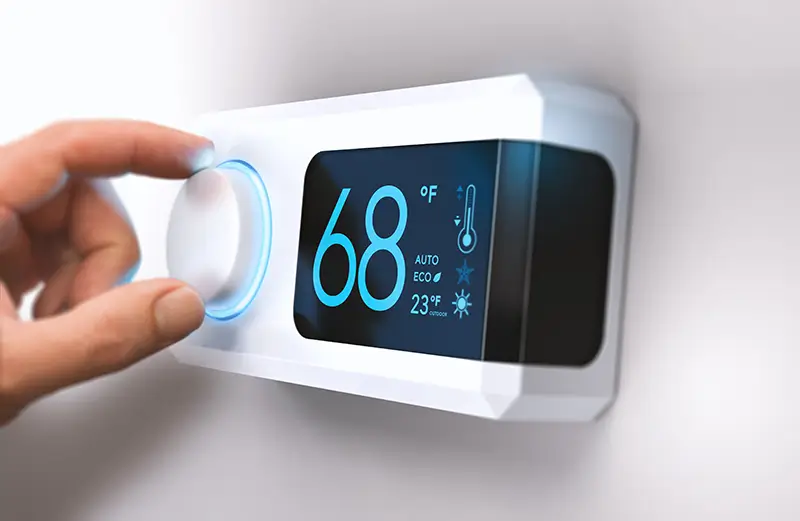
  1. Optimize Your Thermostat: Lowering the thermostat by a few degrees when you’re away or sleeping can reduce heating costs by 5-15%. Consider using a programmable thermostat to make these adjustments automatic.
  2. Seal Drafts and Insulate: Preventing drafts is a cost-effective way to retain heat. Sealing windows, doors, and any gaps keeps warm air inside, helping to reduce heating bills​
  3. Use Heavy Curtains: Heavy curtains provide extra insulation on cold days. Open them during the day to let the sun warm your home naturally, and close them at night to keep the heat in.

Additional Winter Maintenance Essentials

  1. Service Your Heating System: A well-maintained furnace or heating system is more efficient and less likely to break down, keeping you warm without unnecessary repair costs​.
  2. Insulate Pipes: Protect your pipes from freezing and bursting by insulating them. This step is especially important in unheated areas like garages and basements​.
  3. Clear Your Roof and Gutters: Heavy snowfall can lead to ice dams, which may damage roofs and gutters. Keep gutters clear to avoid ice buildup and allow for proper drainage​

Sources:

  • Farmers’ Almanac. “Winter Weather Forecast 2024-2025.”

Note: The Farmers’ Almanac claims an accuracy rate of around 80%, but this figure is often debated by meteorologists. Many professionals argue that the almanac’s methods, which are based on a combination of astrology, historical data, and proprietary formulas, lack the scientific rigor needed for precise forecasts. Independent studies that have evaluated the Almanac’s predictions typically find them to be less reliable, with accuracy rates varying widely by region and year. For instance, one study by the Washington Post estimated an accuracy rate closer to 50%


Signs It’s Time to Replace or Upgrade Your Heating System 

Woman bundled in a blanket in a cold home, when to replace an aging heating system

Recognizing when to replace your heating system is essential for maintaining a comfortable, efficient, and safe home environment. An outdated or failing heating system can lead to higher energy costs, inconsistent heating, and frequent repairs. Knowing the signs of aging equipment and understanding the typical lifespan of your heating system can help you avoid unexpected breakdowns, especially during the colder months when reliable heat is crucial. 

There are several types of heating systems, each with different expected lifespans: 

  • Furnaces (gas, electric, or oil) typically last between 15 and 30 years. 
  • Heat pumps have a shorter lifespan of 10 to 15 years. 
  • Depending on material and usage, boilers can last 15 to 30 years. 
  • Ductless mini-split systems and radiant heating systems generally last 15 to 25 years with proper maintenance. 

Table of Contents

Types of Heating Systems and Their Lifespans

Understanding the different types of heating systems and their expected lifespans can help homeowners plan for maintenance, repairs, or replacements. Each system has unique advantages and lifespan, influenced by usage, climate, and routine maintenance. 

Lifespan of Furnaces (Gas, Electric, Oil)

Furnaces are one of the most common heating systems, typically powered by gas, electricity, or oil. Their lifespan ranges from 15 to 30 years, depending on the type of furnace and how well it’s maintained. Gas furnaces generally last between 15 and 20 years, while oil furnaces last a bit longer, up to 25 years. Electric furnaces, though less common due to higher operational costs, can last up to 30 years but may lose efficiency over time. 

Lifespan of Heat Pumps

Heat pumps are efficient systems that transfer heat instead of generating it, making them suitable for heating and cooling. Their expected lifespan is shorter than that of other systems, typically between 10 and 15 years. Regular maintenance is critical to extending the life of a heat pump, especially in regions with harsh winters, where the system is used frequently. 

Lifespan of Boilers

Boilers, which heat water to produce radiant heat for a home, can last between 15 and 30 years. Their longevity largely depends on the materials used. Due to their durability, cast iron boilers tend to last on the higher end of this range (up to 30 years), while steel boilers may have a shorter lifespan, closer to 15 years. Regular maintenance, such as cleaning and inspecting the pressure levels, can extend the life of a boiler. 

Lifespan of Radiant Heating Systems

Radiant heating systems use water or electricity to heat floors or walls and can last 15 to 25 years. Hydronic (water-based) systems have a longer lifespan than electric systems. However, both require regular maintenance, such as checking for leaks or issues with the heating elements, to ensure they last as long as possible. 

Lifespan of Central Heating Systems

Central heating systems distribute heat throughout a home using a network of ducts or pipes. Their lifespan ranges from 15 to 25 years, depending on the type of fuel they use (gas, oil, or electricity) and how well they are maintained. Gas and oil systems tend to last on the lower end of this range, while electric systems may last longer but often lose efficiency over time. 

Each heating system type has its own maintenance needs and potential for longevity. Keeping up with regular service, filter changes, and inspections can help extend the life of your system and keep it running efficiently for many years. 

Homeowner calling for help beside a failing boiler, signs you need a heating system replacement

Signs It's Time to Replace or Upgrade Your Heating System

Keeping an eye on how your heating system performs can help you avoid costly breakdowns and ensure it operates safely and efficiently. Here are the key signs that it may be time to replace or upgrade your heating system: 

Frequent Repairs

If your system requires frequent repairs, it indicates that it’s nearing the end of its lifecycle. Consistently fixing components adds up quickly in cost, and repeated breakdowns can leave you without heat at inconvenient times. At this point, replacement is often a more economical choice. 

Rising Energy Bills

As heating systems age, they lose efficiency, which leads to higher energy consumption. If your energy bills are rising without a change in your usage habits, your system may need to be working harder than it should, wasting energy and driving up costs. 

Uneven Heating

Older systems can need help to heat all areas of your home evenly. If certain rooms are consistently colder than others, your system may need to be distributing heat effectively. This is often a sign that it’s time to consider an upgrade or replacement. 

Strange Noises or Smells

Unusual noises like banging, rattling, or buzzing indicate something is wrong with internal components. Similarly, strange odors could point to a serious issue, such as gas leaks or burning wires. These problems are not only inconvenient but can also pose significant safety hazards. 

Age of the System

Most heating systems start to lose efficiency after 15 to 20 years, even with regular maintenance. If your system is approaching or surpassing this age, it’s time to plan for a replacement before you encounter larger, more expensive issues. 

Excessive Dust, Rust, or Soot

A malfunctioning heating system can degrade indoor air quality, leading to excessive dust or visible rust and soot around registers. This could signal issues with ventilation or combustion, requiring immediate attention to avoid further damage. 

Frequent On and Off Cycling

If your system frequently turns on and off (short-cycling), it may struggle to maintain a consistent temperature. Short cycling wears down the components and causes inefficient heating, which can drive up energy bills and reduce comfort. 

Cracked Heat Exchanger

A cracked heat exchanger is one of the most dangerous problems with an older heating system. It can lead to carbon monoxide leaks, which are hazardous to your health. Repairing or replacing a cracked heat exchanger is often expensive, making system replacement safer and more cost-effective. 

Additional Indicators You Need to Replace Your Heating System

Beyond the obvious signs of failure, there are additional indicators that your heating system may need to be replaced. These are subtle but important clues that your system is nearing the end of its useful life. 

Increasing Maintenance Costs

If you call for repairs more frequently, it’s a red flag that your heating system is becoming less reliable. Constant service visits can quickly add up, making replacement a more cost-effective solution in the long run. 

Decreased Comfort Levels

A heating system that struggles to maintain your home at the desired temperature shows diminished efficiency. If you notice that your home is never quite warm enough or takes too long to heat up, it may be time for an upgrade. 

Visual Signs of Damage

Take a look at your furnace or heating unit. If you see visible rust, corrosion, or cracks, these are clear signs that the system is deteriorating and may not last much longer. These issues often indicate deeper problems within the system that could affect efficiency and safety. 

Dust and Poor Air Quality

A malfunctioning heating system can lead to poor indoor air quality by circulating more dust, dirt, and allergens throughout your home. If you notice an unusual dust buildup or experience worsening air quality, your system may need to filter the air properly or run as efficiently as it should. 

Pay attention to these additional indicators, as they can help you avoid more significant issues. Replacing your heating system at the right time ensures better comfort, efficiency, and safety in your home. 

Technician servicing heating system pipes, signs it's time for heating system replacement

Maintenance Tips to Extend Your System's Lifespan

Regular maintenance is key to getting the most out of your heating system and extending its lifespan. Following these simple steps can help you avoid unexpected breakdowns and maintain your system’s efficiency. 

Regular Inspections

Schedule annual inspections with HVAC professionals. They can identify potential problems early, ensuring your system runs efficiently and safely. 

Filter Replacements

Changing filters every 1-3 months is essential to maintaining proper airflow and efficiency. Dirty filters force your system to work harder, increasing energy consumption and wear. 

Duct Cleaning

Clean your air ducts regularly to prevent dust and debris buildup. This can reduce your system’s efficiency and worsen indoor air quality. Keeping ducts clean also helps your system distribute heat more effectively. 

Tune-Ups

An annual tune-up before the winter season ensures that your heating system runs at peak efficiency when you need it most. This proactive maintenance can prevent small issues from becoming costly repairs. 

FAQs

When should a heating system be replaced?

A heating system should be replaced if it’s over 15 years old, frequently breaking down, or losing efficiency. These factors signal that the system is nearing the end of its useful life and could become more costly to maintain. 

At what age should a furnace be replaced?

Furnaces typically need to be replaced between 15 and 20 years of age. After this time, they begin to lose efficiency, and the likelihood of breakdowns increases. 

Should I replace my 20-year-old gas furnace?

Yes, if your 20-year-old gas furnace is showing signs of inefficiency, requiring frequent repairs, or heating unevenly, it’s time to consider replacing it with a more efficient system. 

How many years should a heating system last?

A heating system can last 15 to 30 years, depending on the type, how often it is used, and the quality of maintenance it receives. 

How do you know when you need a new furnace?

If you’re experiencing frequent breakdowns, high energy bills, or inconsistent heating, you may need a new furnace. These issues are key indicators that your furnace is no longer operating efficiently. 

Can furnaces last 30 years?

While some furnaces can last up to 30 years, their efficiency typically decreases significantly after 20 years, making replacement more cost-effective and energy-efficient. 

Is a 40-year-old furnace safe?

No, a 40-year-old furnace is not considered safe. Older systems are more likely to have safety hazards, such as carbon monoxide leaks, and are highly inefficient compared to modern systems. 

Do furnaces get less efficient as they age?

Yes, furnaces naturally lose efficiency as they age. This leads to higher energy bills and reduced heating performance, even if the system is still operational. 

Should you replace a furnace before it breaks?

Yes, replacing a furnace before it breaks is a proactive approach that avoids emergencies, ensures continuous heating, and allows time to choose the most suitable and efficient replacement. 

Is your heating system showing signs of age? Contact HOP Energy today for expert consultations and energy-efficient heat pump installations to keep your home warm all winter. Don’t wait until it breaks—schedule your system upgrade now! 

How to Use a Heat Pump to Supplement Your Whole Home Heating System 

Heat pumps are an excellent solution for enhancing the efficiency and comfort of your home’s heating system. By using ambient air or ground temperatures to heat your home, a heat pump can reduce your reliance on traditional heating methods like furnaces or boilers. Here’s how to effectively integrate a heat pump into your existing heating setup: 

Table of Contents

Understand Your Heating Needs

Before installing a heat pump, assess your home’s heating needs. Heat pumps are most effective when used in moderate climates or as supplemental heating. They can reduce the workload on your existing heating system, lowering fuel usage and energy bills. 

Choose the Right Type of Heat Pump

There are two main types of heat pumps: air-source and ground-source (also known as geothermal). Air-source heat pumps draw heat from the outside air, while ground-source pumps extract heat from the earth. The choice depends on your climate, budget, and property layout. 

Optimize Heat Pump Placement

Proper placement is key to ensuring efficiency. For air-source pumps, place the outdoor unit in a location with good airflow, away from obstructions like shrubs or walls. Ground-source systems require more space for installation but tend to offer greater efficiency in colder climates. 

When to Use a Heat Pump in Addition to Your Existing System

There are several scenarios where using a heat pump alongside your current heating system makes sense: 

In milder winter conditions: Heat pumps are highly efficient at transferring heat from the outside air into your home when outdoor temperatures are above freezing. During these periods, a heat pump can handle most of your heating needs, reducing the load on your primary system. Your furnace or boiler can take over for consistent warmth when temperatures drop below freezing. 

Zoned Heating for Specific Areas: If you have rooms or zones in your home that are frequently used—like a living room or home office—a heat pump can be dedicated to heating those areas. This reduces the energy consumption of heating the entire home, especially if other rooms or areas are rarely occupied. 

For Homes with an Aging Heating System: If your furnace or boiler is nearing the end of its lifespan, adding a heat pump can reduce the strain on your current system. This extends the life of your existing system and improves overall efficiency, as the heat pump can handle moderate heating needs. In contrast, your older system only kicks in when necessary. 

In Areas with High Energy Costs: If your home relies on oil, propane, or electric baseboard heating, adding a heat pump can significantly lower your energy bills. Heat pumps are much more efficient than electric resistance heating and can help reduce the amount of fuel needed in oil or propane systems. 

Heating Problematic Areas: Your existing heating system may not adequately heat certain parts of your home, such as a basement, garage, or sunroom. A heat pump can provide additional warmth in these spaces without overtaxing your primary system, offering comfort without additional infrastructure. 

Seasonal Shifts: During the fall and spring, temperatures can fluctuate widely during the day and night. A heat pump can efficiently handle these milder conditions without running your primary heating system, allowing you to maintain comfort without unnecessary energy consumption. 

Homes with Inconsistent Heating: If you experience hot or cold spots in your home due to poor insulation or an imbalanced heating system, a heat pump can help regulate the temperature more evenly. This ensures that rooms farther from your main system stay comfortably warm without increasing the workload on your furnace or boiler. 

Off-Peak Heating: In areas with time-of-use electricity pricing, you can use a heat pump during off-peak hours when electricity rates are lower. This reduces your heating costs while keeping your home warm during the most affordable times of the day. 

For Emergency Backup: If your primary heating system breaks down during winter, a heat pump can provide a valuable backup source of warmth. While it may not replace your primary system entirely, it can keep your home comfortable until repairs are made. 

Integrate with Your Existing System

Most heat pumps can be integrated with your current furnace or boiler setup. This hybrid system allows the heat pump to handle the bulk of your heating needs during milder weather while your primary heating system kicks in when temperatures drop too low for the pump to work efficiently. 

Monitor and Adjust for Efficiency

Use a programmable or smart thermostat to optimize heating cycles to get the most from your heat pump. This will help balance the heat pump and your existing system for maximum efficiency and comfort. 

Upgrade Your Heating System with HOP Energy

If you’re ready to enhance your home’s heating system with a heat pump, contact HOP Energy today. Our team can help you choose the right heat pump for your home, handle installation, and ensure your entire system runs smoothly year-round. Don’t wait—call us now to improve your comfort and lower your heating costs! 

How to Choose the Right Home Heating Oil Supplier 

Selecting the right home heating oil supplier ensures your home remains warm and comfortable during colder months. With numerous suppliers available, making an informed choice can save money and prevent headaches. Here’s a concise guide to help you choose the right supplier. 

Table of Contents

Assess Your Heating Oil Needs

Before you start comparing suppliers, understand your heating oil requirements: 

  • Annual Consumption: Calculate your yearly oil usage based on past consumption records. 
  • Tank Size: Know the capacity of your oil tank to plan deliveries effectively. 
  • Budget: Determine your budget for heating oil to explore suitable payment plans. 

Research Local Suppliers

Begin by compiling a list of heating oil suppliers in your area. Use online search engines, local directories, and community recommendations. Ensure the suppliers you consider have a good reputation and service your location. 

Compare Prices

Price is a significant factor, but it shouldn’t be the only one. Compare prices from multiple suppliers, keeping in mind: 

  • Fixed vs. Variable Rates: Fixed rates offer price stability, while variable rates can fluctuate with market conditions. 
  • Discounts and Promotions: Look for suppliers offering discounts for new customers, bulk purchases, or loyal customers. 
  • Additional Fees: Be aware of any hidden fees for delivery, tank maintenance, or service contracts. 

Evaluate Delivery Options

Reliable delivery is essential to avoid running out of heating oil during winter. Check each supplier’s delivery options: 

  • Automatic Delivery: This service ensures timely refills based on your usage patterns, reducing the risk of running out. 
  • On-Demand Delivery: Offers flexibility if you prefer to manage your refills. 
  • Emergency Delivery: Ensure the supplier can deliver quickly, especially during harsh weather conditions. 

Review Payment Plans

Flexible payment plans can make heating oil more affordable: 

  • Pre-Buy Plans: Pay for your oil in advance at a fixed rate, protecting against price spikes. 
  • Budget Plans: Spread your payments over several months to manage cash flow. 
  • Discounts for Early Payment: Some suppliers offer discounts if you pay your bill early. 

Check Supplier Credentials

Ensure your chosen supplier is reputable and reliable: 

  • Licenses and Certifications: Verify that the supplier is licensed and adheres to industry standards. 
  • Insurance: Confirm they have proper insurance to cover any damages during delivery or service. 
  • Customer Reviews: To gauge customer satisfaction, read reviews on platforms like Google, Yelp, or the Better Business Bureau. 

Consider Additional Services

Some suppliers offer additional services that can add value: 

  • Tank Maintenance: Regular inspections and maintenance can extend the life of your tank and prevent leaks. 
  • Heating System Services: Look for suppliers who are installing, repairing, and maintaining heating systems. 
  • Energy Efficiency Advice: Suppliers who offer tips on energy conservation can help you reduce your overall heating costs. 

Customer Service

Good customer service is essential for a smooth experience: 

  • Responsive Support: Ensure the supplier has a responsive customer service team available through phone, email, or online chat. 
  • Service Hours: Check their service hours to ensure they meet your needs. 
  • Emergency Support: 24/7 emergency support is crucial for addressing urgent issues. 

By following these steps, you can make an informed decision and select a home heating oil supplier that best meets your needs. Stay warm and worry-free with the right supplier by your side. 

Choosing the right home heating oil supplier can significantly impact your comfort and budget. For reliable service, competitive prices, and exceptional customer support, consider contacting HOP Energy. Their professional team is ready to meet your home heating oil needs, ensuring you stay warm and cozy all winter. 

Take Control of Your Heating Costs with Energy Budget Plans

Couple reviewing heating bills, take control of heating costs with budget plans

Managing your home heating costs can be a daunting task, especially when faced with unpredictable weather and fluctuating oil prices. At HOP Energy, we understand the challenges that come with budgeting for heating expenses, which is why we offer our innovative Budget Plans. Our plans are designed to provide you with the stability and peace of mind you need, allowing you to enjoy a warm home without financial stress.

Table of Contents

What Are HOP Energy Budget Plans?

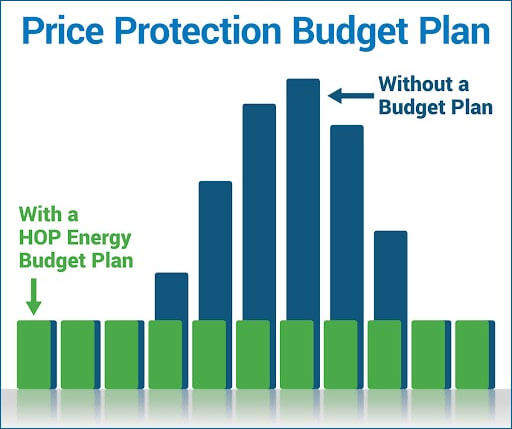
HOP Energy Budget Plans are a smart, flexible way to manage your heating expenses throughout the year. Instead of paying large sums during the peak heating season, our plans spread your heating costs evenly over 12 months. This approach allows you to maintain a consistent monthly budget, making it easier to plan your finances and avoid surprises.

Benefits of HOP Energy Budget Plans

Imagine a winter without the worry of skyrocketing heating bills. With HOP Energy Budget Plans, this can be your reality. Our plans offer you the benefit of predictable monthly payments, allowing you to focus on enjoying the warmth and comfort of your home. No more scrambling to cover unexpected expenses—just a simple, manageable plan tailored to your needs.

But the benefits don’t stop there. By enrolling in our Budget Plan, you gain access to our dedicated customer support team, ready to assist you with any questions or concerns. We’re committed to providing you with a hassle-free experience, ensuring that your heating needs are met efficiently and effectively.

How Does It Work?

Getting started with a HOP Energy Budget Plan is easy. We calculate your estimated annual heating costs based on your previous usage and current market rates. This total is then divided into equal monthly payments, allowing you to budget with confidence. As the year progresses, we monitor your usage and make adjustments as needed, ensuring that your plan remains aligned with your actual consumption.

Why Choose HOP Energy?

When you choose HOP Energy, you’re choosing a partner that puts your needs first. Our Budget Plans are just one of the many ways we strive to deliver exceptional value and service to our customers. We believe that managing your home heating should be stress-free, and we’re dedicated to making that a reality.

By opting for a HOP Energy Budget Plan, you’re not only securing stable heating costs—you’re investing in peace of mind. You can rest easy knowing that your home will stay warm and comfortable all year round, without the financial burden of fluctuating bills.

Get Started Today

Don’t wait until the next cold snap to take control of your heating costs. Contact our friendly customer service team at 833-837-7690 to learn more about HOP Energy Budget Plans and how they can benefit you. Join the many homeowners who trust us to keep their homes warm and their budgets on track.

Thank you for choosing HOP Energy. We’re proud to be your trusted heating partner, helping you enjoy a cozy, worry-free home.

Embracing Efficiency in Home Heating Oil Use

Homeowner relaxing comfortably, reliable furnace services

Efficient use of home heating oil is not just about cost savings; it’s a commitment to minimizing environmental impact. As energy prices fluctuate and environmental awareness grows, optimizing heating oil use becomes crucial for personal finances and ecological sustainability. This guide dives into practical strategies and technological advancements that empower homeowners to achieve greater heating efficiency. Through understanding oil heater mechanics, exploring the evolution of oil furnaces, and implementing tips for conservation and smart fuel management, readers will learn how to enhance their heating system’s performance, reduce fuel consumption, and enjoy a warm home more sustainably.

Table of Contents

How Efficient Are Oil Heaters?

Oil heaters, central to the heating systems of many homes, have undergone significant efficiency improvements. The key to understanding an oil heater’s efficiency is its Annual Fuel Utilization Efficiency (AFUE) rating. This rating measures the percentage of fuel converted into usable heat, with modern oil heaters achieving AFUE ratings upwards of 86%. Such efficiency is a leap from older models, which hovered around 60-70%, significantly reducing wasted fuel and emissions.

The efficiency of oil heaters is pivotal for two main reasons. First, a higher AFUE rating means more heating oil directly contributes to warming your home, leading to lower fuel consumption and heating costs. Second, efficient fuel use translates to reduced carbon emissions, aligning with environmental sustainability goals. Through technological advancements, including better burner designs and improved heat exchangers, today’s oil heaters offer a balance of performance and environmental responsibility, making them a viable option for efficient home heating.

Evolution of Oil Furnaces

The shift from low to high-efficiency oil furnaces marks a significant advancement in home heating technology. Traditional furnaces, with AFUE ratings below 78%, have largely been phased out, driven by environmental regulations, technological innovations, and consumer demand for more cost-effective and sustainable heating solutions.

High-Efficiency Furnaces:

Definition: High-efficiency oil furnaces boast AFUE ratings of 90% or above, indicating that at least 90% of the fuel is converted into heat for the home.

How They Work: These furnaces utilize advanced technologies to maximize fuel efficiency. Improved heat exchange technology ensures minimal heat is lost in the exhaust, while variable speed blowers adjust airflow to meet heating demands without wasting energy. Electronic ignition systems replace traditional pilot lights, reducing fuel consumption by ensuring the furnace operates only when necessary.

The transition to high-efficiency furnaces responds to the need for more environmentally friendly and cost-efficient heating options. By incorporating sophisticated technology, these furnaces lower household energy costs and contribute to reducing the carbon footprint of home heating. This evolution underscores the industry’s commitment to innovation and environmental stewardship, offering homeowners efficient, reliable, and sustainable heating solutions.

Efficiency of New Oil Furnaces

New oil furnaces stand out for their remarkable efficiency improvements compared to older models. The core of these advancements lies in their design and technology, which have been refined to ensure optimal fuel utilization and minimal environmental impact.

Technological Improvements:

New oil furnaces are equipped with state-of-the-art burners that provide finer atomization of heating oil, leading to more complete combustion. This means more heat is generated from the same amount of fuel.

Secondary heat exchangers have become common, capturing heat from exhaust gases that would otherwise be lost, further improving efficiency.

Smart thermostats and electronic controls optimize furnace operation, adjusting the burn rate and airflow to precisely match the home’s heating needs, avoiding unnecessary fuel consumption.

Comparative Analysis:

Compared to older models, which might have had AFUE ratings around 60-70%, new oil furnaces often achieve 90% or higher ratings. This improvement signifies that a more significant portion of the heating oil is directly converted into usable heat, with very little going to waste.

Such efficiency results in lower heating costs and significantly reduce the carbon emissions associated with home heating, which aligns with growing environmental concerns.

The efficiency of new oil furnaces demonstrates a leap forward in heating technology, offering homeowners an effective way to reduce their energy use and environmental footprint while maintaining comfort during the colder months.

Maximizing Efficiency with Oil Heaters

To fully capitalize on the advancements of modern oil heaters, homeowners can adopt several strategies to enhance efficiency, conserve oil, and save on heating costs:

Efficient Use Practices:

Regular Maintenance: Having your oil heater professionally serviced annually can significantly improve its efficiency. This includes cleaning the burner, checking for leaks, and replacing filters. A well-maintained system operates more efficiently, using less fuel and reducing costs.

Programmable Thermostats: Installing a programmable thermostat allows for precise control over heating, ensuring the system is active only when needed. Setting lower temperatures when the house is empty or everyone is asleep can lead to substantial fuel savings.

Conserving Oil:

Insulation: Upgrading insulation in your home’s attic, walls, and floors keeps the heat inside, reducing the demand for your heating system. Effective insulation can drastically lower heating oil consumption.

Sealing Leaks: Identifying and sealing drafts around doors, windows, and other openings can prevent warm air from escaping, further conserving heating oil.

Saving Heating Oil:

Adjust Thermostat Settings: Lowering your thermostat by just a few degrees can significantly reduce heating oil use without affecting comfort levels.

Heating Oil Additives: Certain additives can improve the efficiency of your oil burner; however, it’s essential to consult a professional to ensure compatibility with your system.

By integrating these practices, homeowners can enhance the efficiency of their oil heaters, leading to cost savings and environmental sustainability through reduced fuel consumption and lower emissions.

Factors Affecting Efficiency

Age and Condition: Older furnaces or those in poor condition generally operate less efficiently. Regular maintenance and timely upgrades to newer, high-efficiency models can significantly impact overall efficiency.

Installation Quality: Proper installation is critical for furnace efficiency. Unproperly installed furnaces can lead to increased fuel consumption and decreased heating effectiveness.

Home Insulation: Your home’s insulation directly affects how much heat is retained indoors, influencing how hard your furnace needs to work. Enhanced insulation reduces the workload on your furnace, thereby increasing efficiency.

Thermostat Settings: Optimizing thermostat settings according to your lifestyle can improve efficiency. Lower settings when the house is empty or at night can reduce unnecessary fuel use.

Ensuring Peak Efficiency:

To ensure your oil furnace operates at peak efficiency, consider the following steps:

Annual Maintenance: Schedule professional maintenance annually to keep your furnace in optimal condition. This includes cleaning, adjustments, and part replacements as needed.

Upgrade to High-Efficiency Models: If your furnace is old or inefficient, upgrading to a high-efficiency model can significantly improve performance and fuel savings.

Improve Home Insulation: Evaluate and upgrade your home’s insulation to keep heat indoors, reducing the demand on your furnace.

Smart Thermostat Use: Utilize programmable or smart thermostats to tailor heating schedules to your daily routine, avoiding waste.

By addressing these factors, homeowners can enhance their oil furnace’s efficiency, reducing heating oil consumption, lowering energy bills, and a smaller environmental footprint.

Frequently Asked Questions (FAQs)

How do you use oil heating efficiently?

Efficient oil heating involves regular heating system maintenance, smart thermostat management, and improving home insulation. It’s also beneficial to only heat the home when necessary and at a moderate temperature, preferably using a programmable thermostat for scheduling.

Is it more efficient to leave the oil heating on?

It’s generally more efficient to lower your thermostat when the house is empty, or everyone is asleep than to leave the heating on at a constant temperature. This approach can significantly reduce fuel consumption without compromising comfort.

What is the best temperature to save on heating oil?

Setting your thermostat to 68°F (20°C) during the day and lowering it by 7-10 degrees Fahrenheit overnight or when the house is unoccupied can offer substantial savings on heating oil without sacrificing comfort.

Does turning down the thermostat save oil?

Yes, turning down the thermostat significantly when less heat is needed can save on heating oil. Even a tiny adjustment can lead to significant savings throughout the heating season.

How do I get the most out of my oil furnace?

Maximizing your oil furnace’s output involves ensuring it’s well-maintained, your home is well-insulated, and you’re utilizing energy-efficient practices like smart thermostat use. Additionally, consider upgrading to a high-efficiency furnace if your current model is outdated.

Why am I using so much heating oil?

High heating oil usage can be due to several factors, including poor insulation, drafts, an inefficient or poorly maintained heating system, and thermostat settings that are higher than necessary. Addressing these issues can lead to improved efficiency and reduced oil consumption.

Conclusion

Efficient home heating oil use is pivotal for environmental stewardship and household expenses. By implementing modern, high-efficiency furnaces, regular maintenance, and mindful usage practices, homeowners can significantly reduce their heating oil consumption, lower their energy bills, and minimize their carbon footprint. The strategies outlined, from optimizing furnace efficiency and improving home insulation to smart thermostat management, offer practical steps to balance comfort and conservation.


Moreover, addressing frequently asked questions highlights areas where efficiency can be improved, guiding homeowners toward more informed decisions about their heating systems. As we advance, continuously adopting energy-efficient practices and technologies is essential for fostering sustainable living environments.


In summary, efficient heating oil use benefits individual households by reducing costs and contributes to broader environmental goals by decreasing energy consumption and emissions. By embracing the tips and strategies discussed, homeowners can enjoy a more sustainably warm, comfortable home, ensuring a positive impact on their wallets and the planet.

Understanding K-Factor in Home Heating Oil Delivery

Accurately predicting home fuel needs is fundamental to ensuring efficient energy use and cost-effectiveness, especially in regions experiencing significant seasonal temperature variations. The ability to forecast when and how much fuel a home will require enhances comfort and helps avoid the inconvenience and potential dangers of running out of fuel during cold periods. To achieve this level of precision, two key concepts are employed in home heating oil delivery: degree days and the K-factor. Degree days measure energy demand based on temperature fluctuations, while the K-factor offers insight into how a home consumes fuel. Together, these metrics form a robust framework for scheduling fuel deliveries with greater accuracy, ensuring homes remain warm and energy-efficient throughout the heating season.

Table of Contents

Combining Degree Days and the K-Factor

Understanding and utilizing the concepts of degree days and the K-factor in tandem can significantly enhance the accuracy of predicting fuel delivery needs. Here’s how these two metrics work together:

  • Degree Days as a Measure of Need: Degree days offer a quantifiable measure of the heating or cooling demand imposed by external temperatures. By tracking how much the outdoor temperature deviates from a comfortable baseline (typically 65°F), homeowners and suppliers can estimate the energy required to maintain indoor comfort.
  • The K-Factor as a Measure of Consumption: The K-factor reflects how quickly a home goes through its heating fuel, taking into account its specific consumption patterns. This figure is derived by dividing the number of degree days between fuel deliveries by the fuel delivered, indicating the gallons of fuel burned per degree day.

Application in Fuel Delivery:

  • Predicting Delivery Schedules: Suppliers can predict when the next delivery should be made by multiplying the amount of fuel typically delivered by the home’s K-factor. This calculation considers the current fuel consumption rate and the impact of fluctuating outdoor temperatures.
  • Adjusting to Seasonal Variations: The combination of degree days and the K-factor allows for adjustments based on seasonal temperature changes. If the temperature drops and degree days increase, the system anticipates a faster fuel consumption rate, suggesting a delivery might be needed sooner.
  • Example Calculation:
    • Suppose a home has a K-factor of 8 and typically receives 100 gallons per delivery. In that case, the supplier can estimate that a new delivery is needed every 800-degree days (100 gallons x 8-degree days/gallon = 800-degree days). This approach dynamically adjusts to weather conditions, ensuring that fuel deliveries are timely and efficient.

Benefits:

  • Efficiency and Cost Savings: By accurately scheduling deliveries based on actual need and consumption rates, homeowners can avoid the inefficiency of too-frequent deliveries or the risk and discomfort of running out of fuel.
  • Customized Service: This method provides a tailored approach to each home’s heating needs, reflecting its unique characteristics and the occupants’ usage patterns.
  • Proactive Management: Homeowners and suppliers can proactively manage fuel supplies, ensuring homes remain warm throughout the winter without unnecessary expenditure or waste.

Combining degree days and the K-factor provides a sophisticated, data-driven approach to managing home heating fuel deliveries, optimizing comfort and cost-effectiveness.

Practical Implications for Homeowners

For homeowners, understanding and applying the concepts of degree days and the K-factor can lead to more efficient heating fuel use and significant cost savings. Here’s how these metrics can impact home heating management:

Efficient Fuel Consumption:

  • By tracking degree days, homeowners understand how external temperatures influence their heating needs. This awareness encourages more mindful fuel consumption and heating practices, potentially reducing energy use.
  • The K-factor offers a personalized view of fuel consumption rates, helping homeowners understand how quickly they use heating oil as temperatures fluctuate. This knowledge can guide adjustments in thermostat settings and insulation improvements to conserve fuel.

Cost Savings:

  • Accurate fuel delivery scheduling, informed by degree days and the K-factor, helps avoid emergency fuel purchases, which can be costlier than regular deliveries.
  • Efficient fuel use, driven by understanding these metrics, can lead to lower overall heating costs throughout the season.
Man taking cash from a wallet, savings from using the K-factor for heating oil delivery

Enhanced Comfort and Convenience:

  • With a better grasp of when their home will need more fuel, homeowners can coordinate with suppliers to ensure timely deliveries before running out, maintaining a consistent and comfortable indoor temperature.
  • Automatic delivery services, which often use degree days and the K-factor to schedule deliveries, can provide peace of mind, eliminating homeowners needing to monitor fuel levels constantly.

Communication With Suppliers:

Knowledge of degree days and the K-factor empowers homeowners to have informed discussions with their fuel suppliers about delivery schedules and consumption patterns, leading to more customized service.

Actionable Steps for Homeowners:

  • Monitor heating fuel usage and compare it with degree day data to understand consumption patterns better.
  • Discuss your home’s K-factor with your fuel supplier to ensure delivery schedules accurately align with your needs.
  • Consider energy efficiency improvements to your home if your K-factor suggests rapid fuel consumption, such as adding insulation or upgrading to a more efficient heating system.

By leveraging the insights provided by degree days and the K-factor, homeowners can optimize their heating fuel management, enhancing comfort, convenience, and cost savings. This proactive approach to energy use benefits individual households and contributes to broader energy conservation efforts.

Technological Advancements and Best Practices in Fuel Delivery Forecasting

Integrating technology and adherence to best practices have significantly improved the accuracy and efficiency of fuel delivery forecasting. Modern software applications and innovative approaches offer sophisticated ways to utilize degree days and the K-factor, further refining how fuel needs are predicted and managed. Here are key advancements and practices shaping the industry:

Modern Software Applications:

  • Enhanced Forecasting Algorithms: Today’s software leverages advanced algorithms that consider historical fuel consumption data, degree days, and the K-factor to predict future fuel needs accurately.
  • Seasonal Adjustment Capabilities: These applications can adjust K-factors seasonally, acknowledging that a home’s fuel consumption rate may vary throughout the year due to changes in weather and household behavior.
  • Real-Time Data Integration: By incorporating real-time weather forecasts and degree day data, software can dynamically update delivery schedules, ensuring they are as accurate and timely as possible.

Best Practices for Forecasting:

  • Seasonal K-Factors: Recognizing and adjusting for seasonal variations in fuel consumption by setting different K-factors for summer and winter, accommodating changes in household heating habits.
  • Accounting for Hot Water Usage: For homes using heating oil for hot water, incorporating a separate calculation or baseload adjustment ensures year-round consumption is accurately reflected, not just heating needs.
  • Delivery Pulls Optimization: Utilizing “what if” scenarios and detailed customer data within the software to fine-tune delivery schedules, ensuring that fuel deliveries are prioritized based on actual need and efficiency.

Adjusting to the Real World:

  • Automatic K-Factor Adjustment: Some systems automatically adjust a customer’s K-factor based on discrepancies between projected and actual deliveries, maintaining accuracy over time.
  • Exception-Based Reporting: Implementing mechanisms to flag accounts that deviate significantly from forecasted usage, allowing for timely investigation and adjustment.

Embracing Technology:

  • Tank Monitoring Systems: For customers with unpredictable usage patterns, tank monitoring technology offers a direct measure of fuel levels, providing data for more precise delivery scheduling.
  • Software Integration: Integrating forecasting software with customer management and routing systems streamlines operations, reducing manual input and enhancing delivery efficiency.

Fuel delivery services can offer more reliable, efficient, and customer-focused services by adopting these technological advancements and best practices. Homeowners benefit from the convenience of accurately timed deliveries, and the peace of mind of knowing their fuel needs are proactively managed. These innovations improve suppliers’ operational efficiency and contribute to overall energy conservation and sustainability efforts.

Challenges and Considerations in Fuel Delivery Forecasting

While the integration of degree days and the K-factor into fuel delivery forecasting has greatly improved accuracy and efficiency, there are still challenges and considerations that both homeowners and suppliers must navigate. Understanding these nuances is key to optimizing delivery schedules and ensuring energy use is as efficient as possible.

Variability in Weather Patterns:

  • Unpredictable Weather: Sudden weather changes can lead to significant deviations from forecasted degree days, impacting fuel consumption rates and delivery schedules.
  • Regional Differences: Geographic variations in climate mean that degree days and the K-factor must be adjusted to reflect local weather patterns accurately.

Home-Specific Factors:

  • Differences in Home Efficiency: The K-factor is influenced by a home’s insulation, size, and heating system efficiency. Homes with poor insulation or inefficient heating systems may consume fuel faster than expected.
  • Changing Household Behaviors: Variations in how residents use their heating systems, such as changing thermostat settings or the number of people in the home, can affect fuel consumption rates.

Technological and Operational Constraints:

  • Data Accuracy: The effectiveness of forecasting depends on the accuracy of the data input, including weather forecasts, degree days calculations, and historical consumption data.
  • Software Limitations: While modern software offers sophisticated forecasting capabilities, it may only account for some variables, leading to potential inaccuracies in the delivery schedule.

Best Practices for Addressing Challenges:

  • Continuous Monitoring and Adjustment: Regularly updating the K-factor and degree days based on actual fuel consumption and weather conditions can help mitigate the impact of unforeseen changes.
  • Educating Homeowners: Suppliers can provide information and tools to help homeowners understand their fuel consumption patterns and how to adjust their heating practices for greater efficiency.
  • Leveraging Technology: Implementing advanced technologies, such as tank monitoring systems, can provide real-time data on fuel levels, offering a more accurate method for scheduling deliveries.

Considerations for Future Improvement:

  • Investment in Advanced Forecasting Tools: Ongoing investment in and development of forecasting technologies can help address current limitations and improve accuracy.
  • Customized Approaches: Developing more personalized forecasting models that consider each home’s unique characteristics and homeowner’s behavior can enhance the precision of fuel delivery schedules.
  • Collaboration Between Suppliers and Homeowners: Open communication and collaboration can ensure that both parties are informed and can make adjustments as necessary to optimize fuel delivery and consumption.

Top 5 Tips to Stay Warm Inside and Protect Your Home

stay warm at home

As winter’s icy grip tightens, ensuring your home is a warm and cozy sanctuary becomes a top priority. Here are our top five cold weather tips to not only keep you warm but also protect your home during the chilly winter months:

Table of Contents

1) Boiler and Furnace Care: Regular Maintenance and Efficient Heating

A well-maintained furnace is your best ally against winter’s chill. Schedule regular maintenance to ensure your heating system operates efficiently. Consider upgrading to a programmable thermostat to optimize energy use. Efficient heating not only keeps you warm but also helps lower energy bills.

2) Bundle Up Your Home: Layering with Rugs and Drapes

Give your home a winter wardrobe by layering it with rugs and heavy curtains. Area rugs provide an additional layer of insulation on your floors, preventing heat loss. Thick curtains or drapes add an extra barrier against the cold, especially at night when temperatures drop. These simple additions not only enhance your home’s coziness but also contribute to energy efficiency.

3) Seal the Gaps: Weatherstripping and Insulation

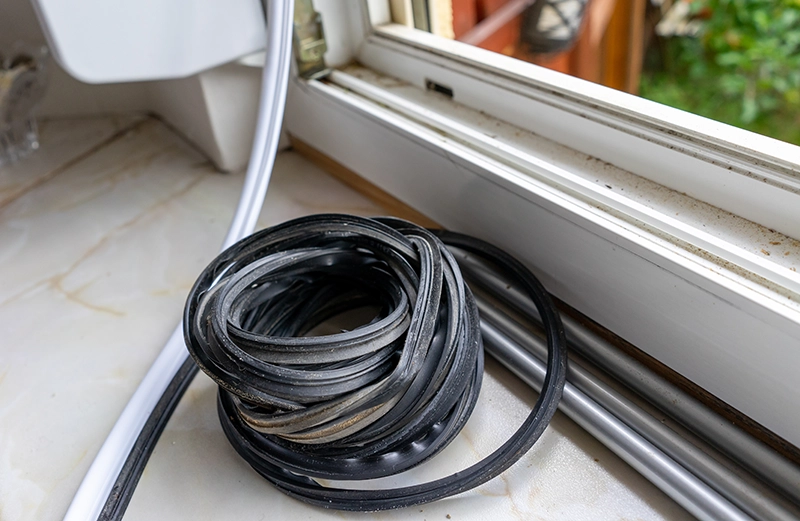
Cold drafts can sneak into your home through even the smallest gaps. Take a proactive approach by checking and reinforcing weatherstripping around doors and windows. Ensure your home is adequately insulated to keep the warmth in and the cold out. Small efforts in sealing gaps can result in significant energy savings and a cozier living space.

Roll of weatherstripping by a window, a home heating efficiency tip

4) Smart Temperature Control: Programmable Thermostats

Take control of your home’s temperature with a programmable thermostat. Set it to lower temperatures when you’re away or asleep and enjoy the warmth when you’re at home. This not only ensures comfort but also contributes to energy savings, making your home both cozy and efficient.

5) Safeguard Your Pipes: Prevent Freezing

Protect your home from potential pipe damage by preventing freezing. Insulate exposed pipes in unheated areas like basements, attics, and crawl spaces. Let faucets drip during extremely cold nights to relieve pressure and keep water flowing. Taking these precautions will help avoid the costly and inconvenient issues associated with frozen pipes.

Winter can be beautiful and serene, especially when your home is a warm retreat from the cold outdoors. Implementing these top five tips will not only keep you warm but also help protect your home during the winter season.

HOP Energy can Help With Different Types of Home Heating

HOP Energy is your trusted partner for all your home heating needs. With our expertise in various heating systems, we offer installation, maintenance, and repair services to ensure your home stays warm and comfortable. Proper installation and maintenance are key to extending the lifespan of your heating system and maintaining its efficiency. We are committed to providing top-notch service to meet these needs.

Factors That Affect Heating Oil Prices in the USA

HOP Energy barge

Heating oil plays a crucial role in both residential and commercial sectors, particularly in regions with colder climates. It is a refined petroleum product used extensively for space heating. The market for heating oil is complex and influenced by a variety of factors, both domestic and international.

This commodity’s significance goes beyond just being a source of heat. It is an indicator of economic health and has far-reaching implications on global energy policies. The heating oil market is subject to fluctuations, making its pricing a subject of interest for consumers, businesses, economists, and policymakers alike.

Understanding the dynamics of heating oil prices involves analyzing historical trends and recognizing the multitude of factors that contribute to its cost. From global crude oil prices to local weather patterns, each element plays a part in shaping the market. This article aims to dissect these factors, providing a comprehensive overview of what influences heating oil prices, with a particular focus on the United States market.

In the following sections, we will examine the historical trends of heating oil prices, delve into the key factors that influence these prices, explore regional variations, and discuss the impact of renewable energy and technological advancements. We will also look at forecasting methods and strategies for consumers and businesses to navigate the fluctuating prices.

Table of Contents

Historical Perspective on Heating Oil Prices

The historical trends of heating oil prices reveal a story of volatility influenced by a myriad of factors ranging from geopolitical events to technological advancements. This volatility not only affects consumers and businesses but also reflects broader economic and political dynamics.

Historical Price Trends

The pricing of heating oil has historically been closely tied to the fluctuations in crude oil prices. As a derivative of crude oil, any change in the latter’s price directly impacts the cost of heating oil.

Over the decades, there have been significant shifts in heating oil prices. For instance, the oil crises in the 1970s caused a dramatic spike in prices due to supply shortages.

In contrast, advancements in oil extraction technologies, such as fracking, have in more recent years led to an increase in oil supply, contributing to lower heating oil prices.

Additionally, the deregulation of the oil market in the late 20th century introduced more market-driven pricing, leading to increased competition and price fluctuations.

economic crisis

Major Historical Events Influencing Prices

Geopolitical Events: Wars, conflicts, and political instability in major oil-producing regions, like the Middle East, have historically led to significant disruptions in oil supply, causing price spikes.

Economic Crises: Global economic downturns, such as the 2008 financial crisis, have led to decreased demand for oil, subsequently lowering heating oil prices.

Technological and Policy Shifts: The adoption of more efficient oil extraction methods and the introduction of environmental policies have both impacted supply levels and public demand for heating oil.

Weather-Related Events: Severe weather conditions, particularly in key consuming regions like the Northeastern United States, have led to short-term demand spikes and subsequent price increases.

Understanding these historical trends provides a foundation for analyzing current heating oil prices. It highlights the interconnectedness of global events and market dynamics in shaping the heating oil landscape. The next sections will delve into the specific factors that continue to influence heating oil prices in today’s market.

Key Factors Affecting Heating Oil Prices

Heating oil prices are influenced by a complex interplay of global and local factors. Understanding these can provide insight into market fluctuations and help predict future trends.

Crude Oil Prices

Global Oil Supply and Demand Dynamics: The fundamental driver of heating oil prices is the global market for crude oil. This is influenced by OPEC’s production decisions, new oil field discoveries, and extraction technologies. Supply disruptions due to political instability or natural disasters can lead to price spikes.

Geopolitical Events and Stability in Oil-Producing Regions: Political events in oil-rich countries, such as wars or regime changes, can cause significant fluctuations in global oil supply, thereby impacting heating oil prices. The stability of these regions is, therefore, a critical factor.

Seasonal Demand Variations

Winter Heating Season Impact: Demand for heating oil peaks during the winter, especially in colder regions. This seasonal surge often leads to higher prices during the colder months.

Weather Patterns and Predictions: Long-range weather forecasts influence heating oil prices. A predicted harsh winter can lead to increased demand in anticipation, driving up prices.

policy makers

Political and Economic Policies

Government Regulations and Taxes: Environmental regulations can affect how heating oil is produced and used, impacting costs. Taxes and subsidies on energy also play a significant role in determining final prices.

Economic Sanctions and Trade Policies: Sanctions against oil-producing countries or changes in trade policies can restrict supply sources, affecting global and domestic prices.

Currency Fluctuations

Impact of the U.S. Dollar on Global Oil Trade: Since global oil trade is predominantly conducted in U.S. dollars, fluctuations in its value can significantly affect heating oil prices. A stronger dollar makes oil more expensive in other currencies, potentially reducing global demand.

Exchange Rate Volatility: Exchange rate fluctuations can impact the cost of importing oil, thus influencing domestic heating oil prices.

Refining and Distribution Costs

Refinery Capacity and Maintenance: The availability and capacity of refineries to process crude oil into heating oil can impact supply. Maintenance shutdowns or upgrades can temporarily reduce the supply.

Transportation and Storage Infrastructure: The logistics of transporting and storing oil, including pipeline availability and shipping costs, contribute to the final price of heating oil.

Market Speculation and Investment Activity

Commodities Trading and Futures Markets: Speculators and investors in oil futures markets can impact prices. Their expectations of future prices can lead to price fluctuations.

Investor Behavior and Market Sentiment: The overall sentiment in financial markets can influence heating oil prices. Positive economic forecasts can drive prices up, while negative news can drive them down.

These factors collectively influence the heating oil market, making price prediction a challenging task. The interdependence of these elements means that a change in one area can have ripple effects across the entire market. In the next sections, we will explore regional variations in heating oil prices and the impact of renewable energy and technological advancements on this market.

Regional Variations in Heating Oil Prices

Heating oil prices are not uniform across different regions; they vary significantly due to a variety of local factors. Understanding these regional differences is crucial for consumers and businesses in different areas.

supply and demand

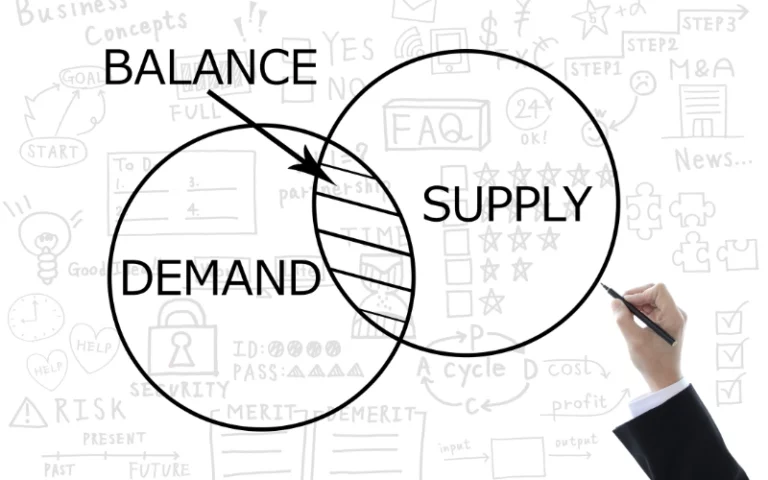
Regional Supply and Demand Balances

Local Consumption Patterns: In regions with harsher winters, like the Northeastern United States, the demand for heating oil is typically higher, which can lead to higher prices.

Availability of Local Resources: Areas closer to oil refineries or with better access to crude oil supply (such as coastal regions) might experience lower prices due to reduced transportation and distribution costs.

Distribution Network and Logistics

Transportation Infrastructure: The efficiency of the transportation network for delivering heating oil, including pipelines, trucking routes, and storage facilities, significantly affects regional prices. Remote or difficult-to-access areas may face higher prices due to the added logistics costs.

Storage Capacity: Regions with larger storage capacities can stockpile heating oil, which can help stabilize or lower prices during peak demand periods.

Regional Policies and Taxation Differences

State and Local Taxes: Different states and localities impose varying levels of taxes on heating oil, which can directly impact the final price for consumers.

Environmental Regulations: Some regions may have stricter environmental regulations regarding heating oil, which can affect production costs and, ultimately, retail prices.

Competition with Other Heating Sources

Availability of Alternatives: In regions where natural gas, electricity, or renewable energy sources are more readily available or cheaper, the demand for heating oil might be lower, potentially affecting prices.

Infrastructure for Alternative Heating: The extent of infrastructure development for alternative heating sources in a region can influence heating oil prices. If a significant investment is made in alternatives like natural gas pipelines or electric heating systems, this could decrease the demand for heating oil.

Economic Conditions

Local Economic Health: The overall economic health of a region can impact the demand for heating oil. In economically thriving areas, higher disposable income can lead to increased demand and potentially higher prices.

Industrial and Commercial Demand: Regions with significant industrial or commercial sectors that rely on heating oil can experience different pricing dynamics compared to predominantly residential areas.

Understanding these regional variations is key for consumers and businesses in making informed decisions regarding heating oil purchases and consumption. As we move forward, the next sections will delve into the impact of renewable energy and technological advancements on the heating oil market, along with forecasting and strategies to manage the changing landscape of energy prices.

Renewable Energy and Technological Advancements

The heating oil market is increasingly influenced by the rise of renewable energy sources and advancements in heating technology. These factors are reshaping the energy landscape, with significant implications for the future of heating oil.

renewable resources

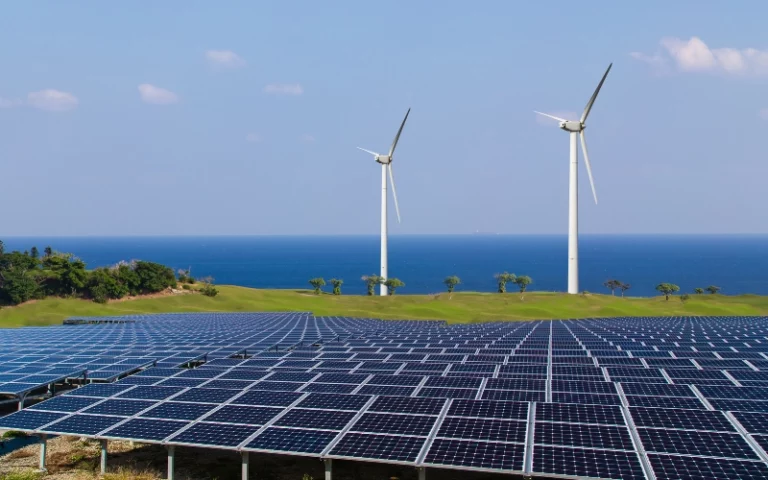
Shift to Renewable Energy Sources

Increasing Adoption of Renewables: There is a growing trend towards using renewable energy sources like solar, wind, and geothermal for heating. This shift is driven by environmental concerns, government incentives, and the decreasing cost of renewable technologies.

Impact on Heating Oil Demand: As more households and businesses adopt renewable energy solutions, the demand for heating oil may decrease, potentially leading to lower prices in the long term.

Government Policies and Incentives: Many governments are actively promoting the transition to renewable energy through subsidies, tax incentives, and regulations, which can accelerate the decline in heating oil usage.

Technological Improvements in Heating Systems

Advancements in Efficiency: New heating technologies are becoming more efficient, reducing the overall amount of heating oil needed for residential and commercial heating.

Hybrid Heating Systems: The development of hybrid systems that combine traditional oil heating with renewable energy sources can lead to more efficient use of heating oil and reduce dependence on it.

Smart Heating Technologies: The integration of smart home technologies in heating systems allows for better energy management, potentially reducing the consumption of heating oil.

Long-Term Impacts on Heating Oil Demand

Changing Consumer Preferences: As awareness about environmental issues grows, consumers are increasingly preferring greener alternatives to heating oil.

Potential for Technological Disruption: Breakthroughs in renewable energy technologies or significant improvements in energy storage could disrupt the heating oil market, leading to decreased demand.

Economic Viability of Heating Oil: As renewable energy sources become more cost-competitive, the economic viability of heating oil as a primary heating source could be challenged.

The transition towards renewable energy and the adoption of new technologies represents a pivotal change in the heating oil market. While these developments might reduce the reliance on heating oil in the long run, they also offer opportunities for the industry to innovate and adapt. In the subsequent sections, we will explore how heating oil prices are forecasted and what strategies consumers and businesses can employ to navigate these changes.

Forecasting Heating Oil Prices

Predicting heating oil prices involves analyzing a multitude of variables and market trends. Reliable forecasts are essential for consumers, businesses, and policymakers for planning and decision-making.

Tools and Models Used in Price Forecasting

Historical Data Analysis: By examining past trends in heating oil prices and their correlations with various factors (like crude oil prices and economic indicators), analysts can identify patterns to inform forecasts.

Economic and Statistical Models: These models integrate various economic indicators, such as GDP growth, inflation rates, and energy consumption patterns, to predict future price movements.

Geopolitical and Environmental Monitoring: Keeping a close eye on global events, political stability in oil-producing countries, and environmental policies can help predict changes in supply and demand.

Role of Government and Industry Reports

Energy Information Administration (EIA) Reports: The EIA provides regular updates and forecasts on energy prices, including heating oil, which are widely used as a reference in the industry.

International Energy Agency (IEA) Outlooks: The IEA’s reports offer insights into global energy trends, policies, and their potential impact on heating oil prices.

Market Research by Energy Companies: Energy companies conduct their own market analysis and share forecasts, contributing additional perspectives to understanding price trends.

Challenges in Accurate Forecasting

Unpredictability of Geopolitical Events: Sudden political events or conflicts in key oil-producing regions can abruptly alter market dynamics, making accurate predictions challenging.

Technological and Policy Shifts: Rapid advancements in technology or unexpected changes in energy policies can significantly impact supply and demand, complicating forecasting efforts.

Market Speculation and Investor Behavior: The futures market and investor sentiment can sometimes lead to price fluctuations that are difficult to predict based solely on supply and demand fundamentals.

Despite these challenges, forecasting remains a critical tool for managing the risks associated with volatile heating oil prices. Accurate predictions can help consumers and businesses make informed decisions, such as when to buy heating oil or invest in alternative heating solutions.

In the next section, we will discuss strategies that consumers and businesses can employ to navigate the fluctuating prices of heating oil, including hedging techniques, energy efficiency measures, and exploring alternative heating options.

consumers

Strategies for Consumers and Businesses

Navigating the fluctuating heating oil market requires strategic planning and informed decision-making. Consumers and businesses can adopt various strategies to mitigate the impact of price volatility and manage their heating costs more effectively.

Hedging and Price Lock Programs

Fixed Price Programs: Some suppliers offer the option to lock in a fixed price for heating oil for a set period. This can protect consumers from price spikes during high-demand seasons.

Price Cap Plans: These plans set a maximum price per gallon, while allowing consumers to benefit if market prices fall.

Pre-Buy Options: Purchasing heating oil in advance during off-peak seasons when prices are typically lower can be a cost-effective strategy.

Energy Efficiency and Conservation Measures

Upgrading Heating Systems: Investing in more efficient boilers or furnaces can reduce the amount of heating oil used, leading to long-term savings.

Regular Maintenance: Routine maintenance of heating systems ensures they operate efficiently, using less oil and thereby reducing costs.

Insulation and Weatherproofing: Improving home insulation and sealing drafts can significantly lower heating requirements, diminishing reliance on heating oil.

Alternative Heating Solutions

Exploring Renewable Options: Installing solar panels or geothermal systems can reduce dependence on heating oil, though initial investment costs can be high.

Hybrid Heating Systems: Combining traditional oil heating with renewable sources can provide a balance between cost and environmental considerations.

Switching to Other Fuels: In some cases, switching to natural gas or electricity for heating might offer a more cost-effective and stable alternative.

financial planning

Budgeting and Financial Planning

Creating a Heating Oil Budget: Estimating annual heating oil needs and budgeting accordingly can help consumers manage expenses throughout the year.

Government Assistance Programs: In some regions, government programs are available to help low-income households with their heating oil expenses.

Staying Informed and Adaptable

Monitoring Market Trends: Keeping abreast of market trends and price forecasts can help consumers and businesses make timely decisions about purchasing and conservation.

Flexibility in Energy Usage: Being adaptable in energy consumption, such as reducing usage during peak pricing periods, can lead to cost savings.

By employing these strategies, consumers and businesses can not only manage their heating oil costs more effectively but also contribute to a more sustainable and environmentally friendly approach to heating. The final section will provide a conclusion, summarizing the key points and offering insights into the future of heating oil in the context of a changing energy landscape.

Summary

The heating oil market is a dynamic and complex sector influenced by a myriad of factors ranging from global oil prices to local weather conditions. Understanding these factors is crucial for consumers, businesses, and policymakers to navigate the market effectively.

Summary of Key Factors Influencing Heating Oil Prices: The price of heating oil is primarily driven by global crude oil prices, which are affected by supply and demand dynamics, geopolitical stability, and economic policies. Seasonal variations, particularly in colder regions, significantly impact demand and prices. Additionally, technological advancements, renewable energy trends, and regional policy differences play a crucial role in shaping the heating oil market.

Future Outlook for the Heating Oil Market: The heating oil industry is at a crossroads, with renewable energy sources and technological innovations increasingly impacting market dynamics. The shift towards more sustainable and efficient energy sources is likely to continue, potentially reducing the dependence on heating oil in the long run. However, heating oil is expected to remain a significant energy source, especially in regions with limited access to alternatives.

The Importance of Being Informed for Consumers and Businesses: For consumers and businesses, staying informed about market trends and price forecasts is essential for effective decision-making. Adopting strategies such as price lock programs, energy efficiency measures, and exploring alternative heating solutions can help mitigate the impact of price volatility. Furthermore, understanding and adapting to the evolving energy landscape is crucial for long-term sustainability and cost management.

In conclusion, while the heating oil market continues to face challenges and undergo changes, it remains a vital component of the energy mix, particularly in colder climates. By staying informed and proactive, consumers and businesses can navigate this fluctuating market and prepare for future shifts in the energy sector.

References

To ensure a comprehensive understanding of the heating oil market and its dynamics, a variety of sources can be consulted. These references provide valuable insights and data that support the analysis presented in this article.

Industry Reports and Data Sources

Energy Information Administration (EIA): Offers extensive data and reports on heating oil prices, production, and consumption trends.

The Ultimate Moving Checklist: Stress-Free Move with an Eye on Heating, Air Conditioning, and Energy Costs

Moving home

Moving homes is often a mix of excitement and apprehension. It’s not just about packing boxes and hiring movers; it involves careful planning, especially when it comes to the comfort and cost-efficiency of your new living space. This guide aims to provide you with an all-encompassing approach to ensure a smooth transition, with a special focus on managing heating, air conditioning, and energy costs, which are crucial but often overlooked aspects of a move.

Table of Contents

Pre-Move Preparations

Getting Ready for the Big Move: Embarking on a new chapter in your life starts with meticulous preparation. This phase is all about laying the groundwork for a successful move. By budgeting carefully, choosing the right moving date, and deciding between a DIY move or hiring professionals, you set the stage for a seamless transition. Special emphasis should be placed on understanding and preparing for the heating and cooling needs of your new home, ensuring comfort from day one.

Two Months Before Move

Setting the Foundation: With two months to go, it’s time to dive into the details. Researching and comparing moving companies or rental options will help you find the best fit for your needs and budget. Decluttering not only simplifies the move but also gives you a fresh start in your new home. Establishing a detailed moving budget at this stage, including anticipated costs for heating and cooling, is crucial for avoiding unexpected expenses.

  • Research and compare moving companies or rental options.

  • Start the decluttering process.

  • Create a detailed moving budget, including potential costs for heating/cooling your new home.

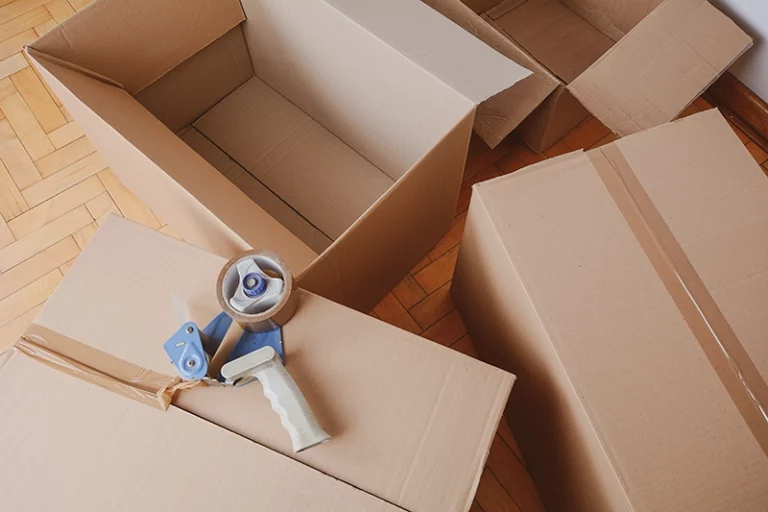
getting ready for moving day

Six Weeks Before Move

Gearing Up: As your move draws closer, begin gathering your packing supplies and start packing items you won’t need in the immediate future. This is also the ideal time to investigate the heating and air conditioning systems in your new home. Understanding their efficiency and maintenance history will help you plan for any necessary updates or services, ensuring a comfortable environment when you arrive.

  • Gather necessary packing supplies.

  • Begin packing non-essential items.

  • Investigate the heating and air conditioning systems in your new home to understand their efficiency and maintenance history.

One Month Before Move

Finalizing Details: A month before the move is the time to tie up loose ends. Inform your landlord or prepare your house for sale, start the process of changing your address, and ensure all school records are set to be transferred if necessary. Contacting utility companies to understand the energy costs and billing cycles in your new home will help you budget for future expenses and avoid surprises.

  • Notify your current landlord or prepare your home for sale.

  • Start the change of address process (postal service, banks, etc.).

  • Arrange for the transfer of school records, if applicable.

  • Contact utility companies to understand energy costs and billing cycles for your new home.

Two Weeks Before Move

Last-Minute Preparations: With just two weeks left, confirm your arrangements with the moving company or truck rental. Finish packing most of your belongings, keeping in mind the climatic conditions of your new location. This is also when you should schedule the disconnection and reconnection of utilities, including services related to heating and air conditioning, to ensure your new home is ready upon arrival.

  • Confirm arrangements with your moving company or truck rental.

  • Pack most of your belongings, keeping the weather and season in your new location in mind.

  • Schedule utility shut-offs at your current home and set up utilities at your new home, including heating and air conditioning services.

One Week Before Move

The Home Stretch: One week out, focus on completing your packing, leaving only the essentials unpacked. Assemble an essentials box for moving day, and confirm your travel plans. Take into account any weather-related issues that might impact your move, especially those that could affect the heating or air conditioning needs during transit.

  • Complete most of your packing, leaving out only essentials.

  • Prepare an essentials box for moving day.

  • Confirm your travel arrangements and prepare for potential weather-related issues, particularly if heating or air conditioning is a concern during your move.

Couple at the doorway of their new empty home, the ultimate moving checklist

Moving Day

The Big Day: On moving day, your primary role is to oversee the process, ensuring everything goes as planned. Conduct a thorough final walkthrough of your old home, making sure all systems, including heating and air conditioning, are properly shut off or adjusted. Keep all important documents handy, particularly those related to the utilities and systems of your new home.

  • Supervise the movers or coordinate the move yourself.
  • Conduct a final walkthrough of your old home, ensuring that the heating and air conditioning are turned off or set appropriately.
  • Keep important documents and valuables, including contracts or warranties for your new home’s heating and air conditioning systems, with you.

Arrival at New Home

New Beginnings: Upon arriving at your new home, start by unpacking the essentials. Immediately check the heating and air conditioning units to ensure they are functional. Inspect all delivered items for damage and begin familiarizing yourself with the new home’s features, particularly the thermostat and any energy-saving elements.

  • Start unpacking, focusing on essentials first.
  • Check the condition of the heating and air conditioning units upon arrival.
  • Inspect all delivered items for any damage.
  • Familiarize yourself with the thermostat and any energy-saving features of your new home.

Post-Move

Settling In: After the move, update your address with important institutions and register for local services. This is also the time to schedule maintenance checks for your home’s heating and air conditioning systems, ensuring they are efficient and reliable. Explore energy-efficient upgrades and utility savings programs in your new community to maximize comfort and minimize costs.

  • Update your address with your employer, insurance companies, etc.

  • Register for new local services, including healthcare and vehicle registration if necessary.

  • Schedule a maintenance check for the heating and air conditioning systems to ensure they are functioning efficiently.

  • Explore options for energy-efficient upgrades or utility savings programs in your new community.

Ongoing

Maintaining Your New Home: In the months following your move, keep a close eye on your energy bills to establish a baseline for your home’s heating and cooling costs. Embrace energy-saving practices, like using programmable thermostats and updating insulation, to optimize your home’s efficiency and reduce expenses over time.

  • Monitor your energy bills in the first few months to establish a baseline for your heating and cooling costs.

  • Consider energy-saving practices to reduce costs, such as using programmable thermostats, sealing drafts, and updating insulation if necessary.

Regularly monitor your energy bills to understand your heating and cooling costs. Investigate energy-saving methods, such as smart thermostats or improved insulation, to make your new home more cost-effective and comfortable.

Summary

Moving is a significant life event, and with proper planning, it can be a smooth and exciting transition. By paying close attention to details, especially regarding your new home’s heating, air conditioning, and energy efficiency, you can ensure not just a successful move, but also a comfortable, cost-effective start in your new home.