Clean Heating with Biofuel: A Smarter Choice for Today and Tomorrow

Green and amber biofuel blend, clean heating with biofuel
Across the Northeast, homeowners who use oil-fired heating systems are embracing a cleaner, more sustainable option: bio-blended heating fuel. At HOP Energy, we’re proud to deliver this next generation heating solution that keeps your home warm, supports local industries, and aligns with emerging state clean-energy goals.

Table of Contents

What Is Biofuel Heating?

Simply put, bio-blended heating fuel (often referred to as “Bioheat®” when blended with ultra-low sulfur oil) is traditional heating oil blended with renewable biodiesel—made from feedstocks like soybean oil, recycled cooking oils, and animal fats. The result? A drop-in fuel that works with your existing tank, furnace or boiler—with no major equipment modifications required. (Bioheat)
For homeowners in New York State and the broader Northeast, that means you can switch to cleaner fuel while keeping the reliable warm-home comfort you expect.


In the Northeast region, forecasters and industry associations are also setting targets for higher blend levels—meaning this isn’t just a niche fuel anymore; it’s the future of home heating oil. As of now, all heating oil sold in New York State, Connecticut, Rhode Island, and Vermont all have regulations on the minimum percentage of Biofuel required to be included in all home heating fuel oil. See the table below for States in the Northeast regulating the blend percentage.

STATE
CURRENTLY
2030
2034
2035
Rhode Island
20.00%
50.00%
–
–
Connecticut
10.00%
15.00%
20.00%
50.00%
New York
10.00%
20.00%
–
–
Vermont
7.00%
–
–
–

Why It Matters in New York & the Northeast

For homeowners, the move to cleaner biofuel blends in heating oil means a better-performing system and a healthier environment without changing a single piece of equipment. Biofuels burn cleaner than traditional oil, which can lead to less soot, fewer service issues, and longer life for your furnace or boiler — saving money over time. They’re also made from renewable resources like plant oils and recycled materials, helping reduce carbon emissions and support American farmers and energy workers. And in many Northeastern states, including New York, homeowners may qualify for tax credits or other benefits when they use higher biofuel blends. In short, choosing heating oil with biofuels is one of the easiest ways to make your home more sustainable, efficient, and cost-effective — all while enjoying the same warm, reliable comfort you depend on every day.

Research shows that communities switching to higher-blend biofuel saw significantly reduced health risks (for example, less asthma incidence) and lower pollutant output. (nysecnow.org)
In the Northeast region, forecasters and industry associations are also setting targets for higher blend levels—meaning this isn’t just a niche fuel anymore; it’s the future of home heating oil.

Benefits You’ll See

  • Seamless transition. Your current oil-fired equipment works just fine with bio-blended fuel—no burner conversions or major tank modifications needed. (Bioheat)
  • Cleaner burn, fewer deposits. Bio-blended fuels burn cleaner, which can lead to less soot, fewer maintenance calls, and better system durability. (Bioheat Hudson Valley)
  • Support for local economy & environment. The biofuel industry supports U.S. agriculture, local supply chains and reduces dependence on foreign oil—while lowering your carbon footprint. (Bioheat)

Is It Right for You?

If you live anywhere in the Northeast and heat your home with oil, HOP Energy’s bio-blend is one of the easiest ways to improve fuel performance and reduce environmental impact—while still enjoying the comfort and reliability you value. For more details or to schedule your next delivery, contact HOP Energy and ask about our bio-blended heating fuel. Warm your home—and your conscience—with smarter heating for a cleaner future.

How to Safely Remove an Old Heating Oil Tank

If you’ve recently switched to natural gas, upgraded to a new oil tank, or discovered an unused tank in your basement, you may be wondering what to do next. Old heating oil tanks can be hazardous if left in place too long, and removal isn’t something to DIY.

Here’s everything homeowners should know about oil tank removal, disposal, and how to do it safely.

Table of Contents

Residential Oil Tank Removal

Heating oil tanks can last decades, but corrosion, leaks, and sediment buildup eventually make them unsafe. Even a small leak can contaminate soil or groundwater, leading to costly cleanup and potential environmental fines.

That’s why safe, professional residential tank removal is essential, not only for your property value, but for your peace of mind.

Removing and Disposing of Aboveground Oil Tanks

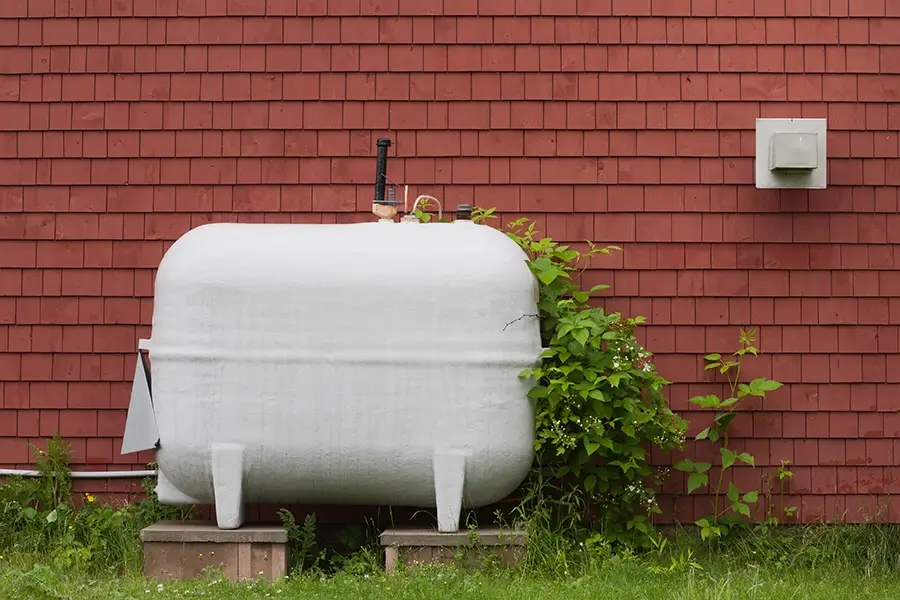
If your tank is located in a basement, garage, or outside on a stand, you have what’s considered an aboveground oil tank. These are generally the easiest and least expensive to remove.

Here’s what the process typically involves:

  1. Inspection and preparation – The tank is checked for leaks or residue. Any remaining fuel is pumped out and disposed of safely.
  2. Tank removal – Certified technicians disconnect fuel lines, remove the tank, and clean the area.
  3. Transportation and disposal – The tank is transported to a licensed oil tank recycling or disposal facility.

Professional removal ensures all local and environmental regulations are followed, which is something you can’t guarantee with DIY methods.

HOP Energy’s heating oil experts can coordinate safe tank removal or replacement as part of your heating system upgrade.

Removing and Disposing of Underground Oil Tanks

Removing an underground oil tank requires a bit more heavy lifting … literally! These tanks are often buried several feet below ground and may have been abandoned years ago.

The process typically includes:

  • Excavating the tank using specialized equipment
  • Pumping out leftover oil and sludge
  • Cleaning and cutting open the tank for safe disposal or recycling
  • Soil testing to check for contamination

If your underground tank has leaked, your removal contractor can guide you through remediation requirements in your area. HOP Energy partners with licensed specialists to ensure compliance and proper environmental reporting.

How to Dispose of an Oil Tank

Old heating oil tanks can’t be taken to your local dump or recycling center; they require special handling by licensed professionals. 

Even if the tank has already been removed/disconnected, please avoid hauling or cutting the tank yourself. It can contain flammable vapors, oil residue, or rust that poses safety risks. 

Attempting to move or cut a tank yourself is not only dangerous; it may also violate local environmental codes. Instead, hire a professional to dispose of it for you.

Who Takes Old Oil Tanks?

Only certified oil service companies or hazardous waste haulers are authorized to pump out, transport, and dispose of (or recycle) heating oil tanks.

These professionals have the right equipment to safely drain residual oil, clean the tank, and ensure all materials are properly processed. 

If you’re ready to get rid of an unused tank, HOP Energy can connect you with trusted partners who can remove your oil tank safely, efficiently, and in full compliance with environmental standards.

Recycling Old Heating Oil Tanks

Wondering if your tank can be recycled instead of thrown away? The good news is yes — most steel heating oil tanks can be taken to a certified recycling facility once cleaned and drained. The metal is processed and reused, minimizing environmental impact.

Your removal contractor or local HOP Energy office can recommend the nearest licensed recycler in your region.

Can I Leave an Old Oil Tank in My Basement?

You can … but you shouldn’t. While it’s technically legal in some areas to leave an empty tank in place, doing so can create future hazards, including:

  • Hidden leaks or corrosion
  • Odor or vapor buildup
  • Complications during property sales or inspections

If you no longer use oil heat, it’s best to schedule professional removal.

Replacing an Old Oil Tank

If you’re still using heating oil and your tank is nearing the end of its lifespan (typically 15–20 years), replacement may be a smarter option than full removal. Modern tanks are built with corrosion-resistant materials and leak prevention features for added safety.

Learn more about oil tank replacement and upgrades through HOP Energy’s heating oil tank services.

FAQs About Heating Oil Tank Removal

Q. How long does oil tank removal take?
A. Most aboveground removals take just a few hours. Underground tanks can take a day or more depending on accessibility and site conditions.

Q. Do I need a permit to remove an oil tank?
A. In many areas, yes. Your contractor or HOP Energy representative can handle the paperwork for you.

Q. What does oil tank disposal cost?
A. Costs vary based on size, location, and disposal requirements, but aboveground removals/disposals are generally much less expensive than underground ones.

Q. Can HOP Energy remove or replace an oil tank?
A. Absolutely. HOP Energy provides tank inspection, removal, and replacement services across the Northeast, ensuring your system stays safe and compliant year-round.

Trust HOP Energy for Safe Oil Tank Disposal

When it’s time to retire your old heating oil tank, trust the professionals who know home heating best. From inspection to disposal, HOP Energy makes the process simple, safe, and compliant with local environmental standards.

Contact your local HOP Energy office today to schedule an estimate or learn more about our oil tank removal and replacement services.

Dear HOP: Your Home Comfort Questions Answered

Introducing Dear HOP — a candid look at the real questions our customers ask us every day and the honest answers they get from our trusted HOP Energy team. From fuel delivery to home comfort tips, this article offers practical advice based on real conversations, helping you stay informed, prepared, and comfortable all year long.

Q: What kind of financing does HOP have for a new AC or mini-split system? I need a new one and I'm not sure I can hold out until end of summer, but money is a bit tight.

A: HOP Energy offers a variety of flexible financing options and payment plans for ALL our equipment, including new AC and mini-split systems, so you can get the comfort you need without delay. Our team can walk you through payment plans that fit your budget, including zero-down and low monthly payment options for qualified customers. We recommend speaking directly with one of our knowledgeable reps, who will review your home’s needs, explain your system choices, and guide you through the financing options that work best for you. Let’s schedule a free in-home or phone consultation to get you started whenever you’re ready.

Q: I have an AC window unit now, but it’s loud and getting old and expensive. A friend recommended I replace it with a mini-split, but don’t know a lot about them. Are they a good choice?

A: Great question, and you’re definitely not alone in thinking about switching! Many homeowners are switching from old, noisy window units to modern mini-split systems because they’re much quieter, more energy-efficient, and can cool or heat specific rooms effectively. They also free up your windows, look cleaner inside your home, and help lower energy costs while keeping you comfortable. Best of all, you won’t have to go through the hassle of installing and removing your AC unit every year—mini-splits stay in place and work year-round. Plus, many of our models provide heating, giving you year-round comfort all in one system. One of our reps would be happy to take a look at your home and walk you through how a mini-split could work for your space, including system options and financing if needed.

Q: Is summertime a good time to stock up on heating oil? I don't need it right now, but are prices cheaper during summer?

A: Many customers in the Northeast do choose to stock up on heating oil during the summer because prices often tend to be lower when demand is down. While prices can still fluctuate based on market conditions, topping off your tank in the off-season can help you be prepared for fall and winter before the rush, while potentially saving on your cost per gallon. Plus, it’s one less thing to worry about when the cold weather returns!

About HOP Energy

HOP Energy is a trusted, full-service energy provider serving homes and businesses across the Northeast with reliable heating oil delivery, propane, and expert HVAC services. With a focus on local service, energy efficiency, and customer comfort, HOP Energy is here to help you stay warm, comfortable, and prepared all year long.

Why Energy Efficiency Drops in High Heat—And How to Fight Back

It seems logical to assume that your air conditioner works best when it’s needed most—during the hottest days of summer. After all, that’s when it’s running the hardest, right?

But here’s the counterintuitive truth: your A/C is actually less efficient when temperatures soar. In fact, once outdoor temps climb above 90°F, most cooling systems start to struggle—not just in keeping your home comfortable, but in doing so efficiently.

Let’s explore why this happens, and what smart homeowners can do to protect their comfort, energy bill, and system health.

Table of Contents

The Science: Why Your A/C Struggles in Extreme Heat

Your central air system relies on refrigerant—usually a chemical like R-32—to absorb heat from inside your home and transfer it outside. This process depends on a delicate balance of pressure, airflow, and heat exchange.

As outdoor temperatures rise, that balance is harder to maintain. The heat transfer process becomes less efficient, because the condenser unit (outside) is trying to dump heat into air that’s already hot. It’s like trying to cool down in a sauna—it just doesn’t work as well.

The result? Your A/C runs longer cycles, uses more electricity, and delivers less cooling. That means:

  • Higher energy bills
  • More strain on the system (leading to breakdowns)
  • Less comfort inside your home

It’s a triple threat, and one many homeowners don’t realize it is happening—until they see their utility bill or feel hot spots indoors.

Homeowner checking a smart thermostat, energy efficiency in high heat

Small Changes That Make a Big Difference

The good news? There are simple, smart ways to help your A/C stay cooler under pressure—even during a heatwave.

  1. Shade Your Outdoor Unit
    Direct sunlight on your condenser can add 10° or more to the operating temp. Planting a small shrub (with room for airflow) or adding a vented shade barrier can keep the unit cooler and more efficient.
  2. Install a Smart Thermostat
    A programmable or smart thermostat prevents your A/C from overworking by adjusting temperatures when no one’s home. Some models even “learn” your patterns and optimize cooling schedules automatically.
  3. Use Zone Cooling
    Closing vents in unused rooms or using ductless mini-split systems can allow you to cool only the spaces you need. This reduces system load and maximizes comfort where you actually spend time.
  4. Maintain the System
    Dirty coils, clogged filters, and low refrigerant can magnify the heat problem. A professional tune-up ensures your system is running at peak performance—even in a heatwave.

How HOP Energy Helps You Stay Efficient

At HOP Energy, we don’t just fill your tank, we keep your whole home running smarter. Our Cooling System Reviews include a full A/C performance check, coil cleaning, filter replacement, and expert recommendations for upgrades like smart thermostats or zoned cooling options.

We’ll help you spot problems before they become breakdowns—and optimize your system for maximum efficiency during the hottest months of the year.

Maximize Efficiency—Book a Cooling System Review Today

Don’t let your A/C lose the battle against summer heat. Take control, stay cool, and lower your energy bills with HOP Energy.

How Global Oil Trends Impact Your Winter Heating Bill—And What You Can Do Now

Every winter, thousands of homeowners ask the same question: Why is my heating bill so high?

The answer is often bigger than your home, your town, or even your state. It starts on the other side of the world, with events and decisions that may seem far removed from your daily life—but they have a direct line to your fuel tank.

Regardless of where you’re heating with oil in the North East, it’s important to understand how global energy markets can shape your costs—and how you can take smart steps now, in summer, to protect yourself from winter’s price swings.

Table of Contents

From Global Conflicts to Your Thermostat: The Journey of Oil Prices

Oil is a global commodity, meaning it’s traded on an international scale. Events like wars, political instability, production cuts by OPEC nations, and even shipping delays in places like the Suez Canal can disrupt the flow of oil and push prices up fast.

Even if your home’s heating oil is refined right here in the U.S., it’s still priced against the global market. That’s why you sometimes see a price spike at home even when nothing has changed in your neighborhood.

In 2023, for example, supply shocks caused by the war in Ukraine and inflationary pressures around the world led to unprecedented volatility in energy markets. Homeowners who weren’t locked into a heating oil plan saw their costs rise dramatically—sometimes with just a week’s notice.

Why Summer is More Often the Smartest Time to Protect Heating Fuel Price

Here’s something many homeowners don’t realize heating oil prices are often lower in the summer. Demand drops off in warmer months, giving suppliers more flexibility—and homeowners more opportunity.

By securing your rate now, you’re getting ahead of potential fall and winter spikes. Think of it as booking a flight early waiting until peak season usually means paying more, not less.

Typically, Hop Energy customers who take advantage of summer pricing not only save money—they enjoy peace of mind, knowing their rate is protected, no matter what happens in the global market.

Capped Pricing + Downside Protection = Security

At Hop Energy, we offer more than just oil—we offer stability. With our capped pricing plans, you lock in a maximum cost per gallon, but you still get the benefit of lower market prices if they drop. It’s the best of both worlds:

  • If prices spike, your cap protects you
  • If prices fall, you pay the lower amount
  • If nothing changes, you have budget predictability

It’s a strategy built for real-world uncertainty—and it’s available to you right now.

What You Can Do Today

Here’s the bottom line: you don’t have to wait until temperatures drop to start thinking about your heating bill. In fact, waiting could cost you.

By acting now—when prices are often lower and plans are open—you give yourself control. That means:

  • Locking in a capped or fixed rate
  • Reducing stress when winter hits
  • Avoiding last-minute price surges when demand peaks

HOP Energy can help you choose the plan that works best for your home, your usage, and your budget.

The Details of Buying and Selling Your Home

HOP Energy technician inspecting a water heater during a heating system checkup

When considering the purchase of a new home, it’s easy to get caught up in the excitement of exploring layouts, imagining furniture arrangements, and planning your future life within its walls. However, amidst the many aspects of home buying, one critical area often overlooked is the condition of the heating system. Ensuring a thorough inspection of this vital component can save you from unexpected expenses, safety hazards, and discomfort down the road.

Table of Contents

Booking Professional Inspections

A home’s heating system is its lifeline during the colder months, responsible for maintaining a comfortable living environment. However, without a detailed inspection, it’s impossible to know whether the system is running efficiently or if it’s on the verge of failure. A professional evaluation can reveal underlying issues such as age-related wear, improper maintenance, or hidden damages that might not be apparent during a general home inspection.

Avoiding Safety Risks

One of the most significant concerns with a neglected heating system is the potential for safety hazards. Older systems or poorly maintained units can develop problems such as cracked heat exchangers, which can lead to carbon monoxide leaks—a silent, odorless gas that poses severe health risks. An inspection can identify these dangers before they become a threat to your family’s safety.

Ensuring Energy Efficiency

Energy efficiency is another key reason to prioritize a heating system inspection. Outdated or inefficient systems can result in high utility bills that strain your monthly budget. A professional assessment will help determine whether the system meets modern efficiency standards or if replacement with a more cost-effective unit is advisable. For prospective homeowners, this insight can be invaluable when negotiating the purchase price or planning future upgrades.

Assessing Home's History

Additionally, understanding the condition of the heating system gives you a clearer picture of the home’s overall maintenance history. A well-maintained system often reflects a homeowner’s dedication to caring for the property, while neglect in this area might hint at other unseen issues throughout the house. This knowledge empowers you to make an informed decision about whether the home is worth the investment or if significant additional costs might arise after the purchase.

Gaining Peace of Mind

Finally, a heating system inspection provides peace of mind. Knowing that the system has been evaluated by a qualified professional and is in good working condition allows you to move forward with confidence, avoiding unpleasant surprises once the keys are in your hands. For homes with newer heating systems, an inspection can confirm that warranties are intact and provide guidance on proper maintenance to extend the unit’s lifespan.

In Conclusion

Purchasing a home is one of the most significant investments you’ll make, and ensuring the heating system is in optimal condition is a crucial step in protecting that investment. By prioritizing an inspection, you safeguard your future comfort, safety, and financial well-being, making the home-buying experience as warm and welcoming as the space itself

Spend Time With Your Thermostat… Spend Less on Fuel

It doesn’t cost you a single penny to change the setting on your thermostat. But turning your thermostat down can definitely save you money. And, you don’t have to be cold, either. Managing your thermostat effectively in the winter can significantly reduce fuel usage and heating expenses while maintaining comfort. Here’s the best approach:

Table of Contents

1. Set an Optimal Temperature

Daytime: Aim for a comfortable range, typically 68°F (20°C) when you’re home and active.

Nighttime or Away: Lower it by 7–10°F, ideally to 60–62°F, while sleeping or when the house is unoccupied. This can save up to 10% on heating costs annually.

2. Use a Programmable or Smart Thermostat

Set schedules that automatically adjust the temperature based on your routine.
Smart thermostats can learn your preferences and even adjust settings based on the weather.

3. Zone Heating

If your home has multiple heating zones, heat only the rooms you’re using and keep doors closed to conserve heat in those areas.

4. Leverage Passive Heating

Open curtains during the day to let sunlight naturally warm your home. Close them at night to insulate windows.

5. Avoid Overcompensating

Don’t set your thermostat higher than necessary thinking it will heat the house faster; most systems warm at the same rate.

6. Regular Maintenance

Ensure your heating system is clean and efficient. Replace filters regularly and have the system inspected annually.

7. Seal and Insulate

Reduce drafts by sealing windows and doors and adding insulation. This minimizes heat loss and keeps your thermostat setting more effective.

By adopting these strategies, you can find a balance between comfort and fuel efficiency.

As a reminder… to get the most value from the heating oil, you should schedule an annual tune-up of your heating system. Having your system tuned up will ensure that it is running properly and at peak efficiency. That can mean reduction in fuel usage by 5% or more, equivalent to saving 35 gallons of heating fuel oil annually for a typical home in the northeast. The best time to schedule this important job is during the spring and summer. Once the temperatures begin to turn cold in the fall, many dealers become very busy keeping you supplied with heating fuel.

Maximizing the Life and Efficiency of Your Boiler or Furnace

As a heating oil customer, your boiler or furnace is one of the key components of your home comfort system. Knowing how these systems work and how to maintain their efficiency can help you make informed decisions and ensure a cozy, comfortable home through even the coldest winter months. Let’s dive into some of the main factors impacting the life and efficiency of your heating equipment.

Table of Contents

How Long Do Boilers and Furnaces Typically Last?

A well-maintained boiler or furnace can provide your home with warmth for many years. On average: 

  • Boilers often last between 15 to 30 years, depending on the quality, frequency of maintenance, and overall usage.
  • Furnaces with regular upkeep generally have a 15 to 20-year lifespan.

However, these ranges are not guaranteed. Factors such as the frequency of maintenance, type of fuel, and operating conditions play significant roles in extending or reducing the lifespan of your heating equipment.

Efficiency and Fuel Usage

The efficiency of your boiler or furnace determines how much of your fuel is converted into usable heat for your home. A high-efficiency system can annually save you hundreds of dollars by using less fuel to achieve the same level of comfort.

  • Boilers: High-efficiency boilers can operate at up to 90-95% efficiency, which means that 90-95% of the heating oil they consume is converted directly into heat.
  • Furnaces: While traditional oil furnaces have efficiencies of around 80-85%, modern condensing furnaces can reach up to 95% efficiency.

It’s important to note that these older units typically have lower efficiency rates, meaning they use more heating oil to achieve the same level of warmth. Investing in a high-efficiency unit may have an upfront cost, but over time, it will pay off by reducing fuel expenses and lowering utility bills.

Maintaining Efficiency

Routine maintenance is crucial in keeping your boiler or furnace in tip-top shape. Here’s how you can keep your system efficient and extend its life:

  • Annual Tune-Ups: Consistent tune-ups by a professional can improve efficiency by up to 10%, ensuring the system burns oil cleanly and evenly. Technicians are trained to inspect, clean, and adjust all components, which can prevent unexpected breakdowns.
  • Replace Filters and Clean Parts: Dirty filters and components make your system work harder, using more oil and lower efficiency. Cleaning and replacing these parts regularly is a simple and effective way to boost efficiency.
  • Monitor Your Thermostat: Keeping your thermostat at a consistent, moderate temperature reduces the workload on your boiler or furnace. Avoid sudden temperature changes, which force your system to consume more oil.
Heating budget

Signs It's Time to Replace Your Boiler or Furnace

Sometimes, repairs are no longer enough to maintain the comfort and efficiency you expect from your heating system. Here are a few key signs that it may be time to consider an upgrade:

  • Increased Heating Bills: A notable increase in your heating oil usage despite no changes in your habits could indicate that your system is losing efficiency.
  • Uneven Heating: If you notice that some rooms are warmer or cooler than others, it could indicate that your system is struggling to distribute heat effectively.
  • Frequent Repairs: If your system requires constant maintenance, the repair costs could quickly increase, making a replacement more economical.
  • System Age: Once your boiler or furnace reaches the upper range of its lifespan, efficiency and performance may decline even with regular maintenance.

Consider Upgrading to a High-Efficiency Model

When it’s time to replace your boiler or furnace, consider upgrading to a high-efficiency model. Today’s units are designed to provide maximum comfort while minimizing heating oil usage. For example, advanced condensing boilers and furnaces have heat exchangers that capture and use more heat, boosting efficiency and reducing waste.

The upfront cost may be higher, but a high-efficiency boiler or furnace can save you significantly on heating oil expenses in the long run, offsetting the initial investment over time.

Choosing the Right Heating System for Your Needs

Selecting a new boiler or furnace requires you to consider your home’s size, layout, and heating needs. A smaller home might benefit from a more compact, high-efficiency unit, while larger homes may require a more robust system. Speak with a heating professional to find a model tailored to your home’s specific needs.

Final Thoughts

Understanding the lifespan and efficiency of your boiler or furnace is key to maximizing your heating oil investment. Regular maintenance, timely upgrades, and smart fuel usage can go a long way in keeping your home warm, comfortable, and energy efficient. As you prepare for the colder months, take a proactive approach to your heating system—after all, a well-maintained boiler or furnace means a happier, cozier home.

By following these tips, you can ensure that your heating oil system runs efficiently and reliably, keeping you comfortable throughout the season.

Available Equipment Rebates for Consumers

As energy costs continue to rise, homeowners are increasingly looking for ways to reduce their utility bills while making their homes more efficient and environmentally friendly. Fortunately, the Federal Government is making it easier to invest in energy-efficient upgrades with an array of rebate programs available for 2025. From heating systems to heat pumps, air conditioners, and water heaters, these programs offer substantial tax credits and incentives designed to offset the costs of installation. Whether you’re considering a complete HVAC overhaul or simply looking to upgrade your water heater, this comprehensive guide will walk you through the available federal rebates that can help you save money and enhance your home’s efficiency. Discover how these incentives can not only lighten your financial load but also contribute to a more sustainable future.

Table of Contents

2025 Federal Tax Incentives

1. Heating Systems (Fuel-based)

  • Boilers & Furnaces: Eligible ENERGY STAR-certified boilers and furnaces can qualify for a 30% tax credit, up to $600. This incentive encourages homeowners to replace older, inefficient systems with energy-efficient models, leading to lower fuel costs​

2. Air Source Heat Pumps

  • Ducted and Ductless Heat Pumps: These systems qualify for a 30% federal tax credit, up to $2,000. They are effective for both heating and cooling, making them a versatile option for homes. Air-source heat pumps are particularly efficient, potentially saving hundreds in energy costs annually​
  • Geothermal Heat Pumps: Offering a 30% federal tax credit without a maximum limit, geothermal heat pumps provide significant long-term savings and sustainability​

3. Central Air Conditioners

  • Central AC Units: Homeowners can receive a 30% tax credit, up to $600, for qualifying ENERGY STAR central air conditioning systems. These systems improve cooling efficiency and can replace older units​

4. Water Heaters

  • Gas Storage Water Heaters: Tax credits of 30% of the cost, up to $600, are available for the purchase and installation of ENERGY STAR-certified gas storage water heaters (both 55 gallons or less and over 55 gallons). These systems are designed to enhance energy efficiency and lower operating costs
  • Heat Pump Water Heaters: These also qualify for a 30% tax credit with no maximum limit. Heat pump water heaters are highly efficient, transferring heat from the air to heat water, which can lead to substantial energy savings

The above Federal incentives are part of efforts to promote energy efficiency in homes, and many states and local utilities may provide additional rebates. Below is a list resources by state:

HVAC State Rebate Programs

New York:  https://cleanheat.ny.gov/find-available-rebates/

New Jersey:   https://residential.energysavenj.com/jersey-central/hvac/

Pennsylvania:  https://rebates.energysavepa.com/

Massachusetts:  https://www.mass.gov/guides/massachusetts-energy-rebates-incentives

Connecticut:  https://energizect.com/rebates-and-incentives

Rhode Island:  https://energy.ri.gov/heating-cooling/clean-heating-cooling-incentives

Vermont:  https://www.efficiencyvermont.com/rebates

Delaware:  https://dnrec.delaware.gov/climate-coastal-energy/energy-office/ira/home-energy-rebates/

Homeowners should explore all available options to maximize savings. For more details on specific programs and to check for local incentives, visit the ENERGY STAR website

Winter 2024-2025 Home Heating Oil Fuel Outlook for The Northeast?

Fuel tanker trucks at a storage terminal, winter home heating fuel oil outlook for the Northeast

For the 2024-2025 heating season, the outlook for home heating oil in the Northeast suggests that prices and demand will be impacted by several factors, including global crude oil prices, weather conditions, and inventory levels.

According to the U.S. Energy Information Administration (EIA), heating oil prices for this winter are expected to remain steady, possibly slightly lower, compared to last season due to recent declines in crude oil prices. Inventory levels are healthier than last winter, partly because of increased refinery output, while global crude prices have stabilized from previous highs, which could help moderate costs for consumers in the Northeast​.

Table of Contents

EIA Forecast Overview for Crude Oil Prices

(Crude oil is the main raw material in heating oil production)

It is expected that the price of crude oil will average $78 per barrel (b) in 2025. In our forecast, lower crude oil prices largely reflect a reduction for global oil demand growth in 2025. Although the EIA has recently reduced their crude oil price forecast, crude oil prices have risen in recent days because of escalating conflict in the Middle East, raising the possibility of oil supply disruptions and further crude oil price increases. When crude oil prices rise due to global supply constraints, geopolitical tensions, or production cuts by major oil producers, heating oil prices typically increase as well. Refineries pass on these higher crude oil costs to consumers, especially in colder months when heating oil demand peaks. Conversely, when crude oil prices fall, heating oil prices often decrease, although regional factors like local demand, transportation costs, and inventory levels can still affect the final price for homeowners​.

Weather conditions play a crucial role in heating oil demand

NOAA forecasts a milder-than-average winter for much of the U.S., which could further reduce heating oil demand in the Northeast. However, as colder spells are still possible, households may face occasional surges in heating oil use depending on local temperature patterns​

In terms of supply, the Northeast’s heating oil market is somewhat insulated from major disruptions due to its established infrastructure and reserves, including the Northeast Home Heating Oil Reserve (NEHHOR). This reserve is designed to support emergency heating oil supplies and can buffer the market in case of supply interruptions, helping to prevent extreme price spikes during colder months​. Regional home energy companies like HOP Energy also maintain large heating oil reserves to offer pricing protection and secure the availability. 

Overall, the combination of stable crude prices, sufficient inventories, and a potentially milder winter suggests that heating oil costs for consumers in the Northeast could remain manageable this season. However, any unexpected geopolitical events impacting crude oil prices or severe cold spells could still lead to short-term price increases. Price-protecting your home heating oil can help you manage winter heating expenses by locking in rates before potential price spikes. This strategy offers budget stability, shielding you from volatile energy markets and unforeseen cost increases during colder months

a child holding a stuffed bunny looks out a window at the slow fall

Heating Oil & Electric Heat Pump Usage in the Northeast

Although declining in use, heating oil remains a popular energy source used for residential heating mostly in the Northeast. Combining the reliability of a heating oil heating system in extreme cold weather with a heat pump offers homeowners a cost-effective and energy-efficient heating solution. Heating oil provides high-output heat during the coldest days, while the heat pump efficiently warms the home in milder conditions, helping reduce overall heating costs and fuel consumption. This dual system allows homeowners to take advantage of the heat pump’s energy efficiency when outdoor temperatures are moderate, using the heating oil furnace or boiler only when necessary to maintain comfort in very cold weather. This setup can also extend the life of each system by reducing strain, lowering emissions, and offering greater resilience to fluctuating energy costs. Ask your local HOP Energy representative how a new high efficiency heating system can help you lower your annual energy expenses.  

Northeast  households that use Heating Oil VS. Electricity as the primary heating fuel as of October of each year.

Northeast Household
2019
2020
2021
2022
2023
2024
5 Year % Change
Heating Oil
4,694,000
4,448,000
4,158,000
4,034,000
3,905,000
3,7666,000
-25%
Electricity
3,509,000
3,681,000
3,962,000
3,979,000
4,049,000
4,193,000
+19%

Sources

U.S. Energy Information Administration, Winter Fuels Outlook  https://www.eia.gov/outlooks/steo/report/perspectives/2024/10-winterfuels/article.php#tab4

For more in-depth insights, refer to EIA’s monthly Short-Term Energy Outlook report, updated regularly throughout the heating season​.

.